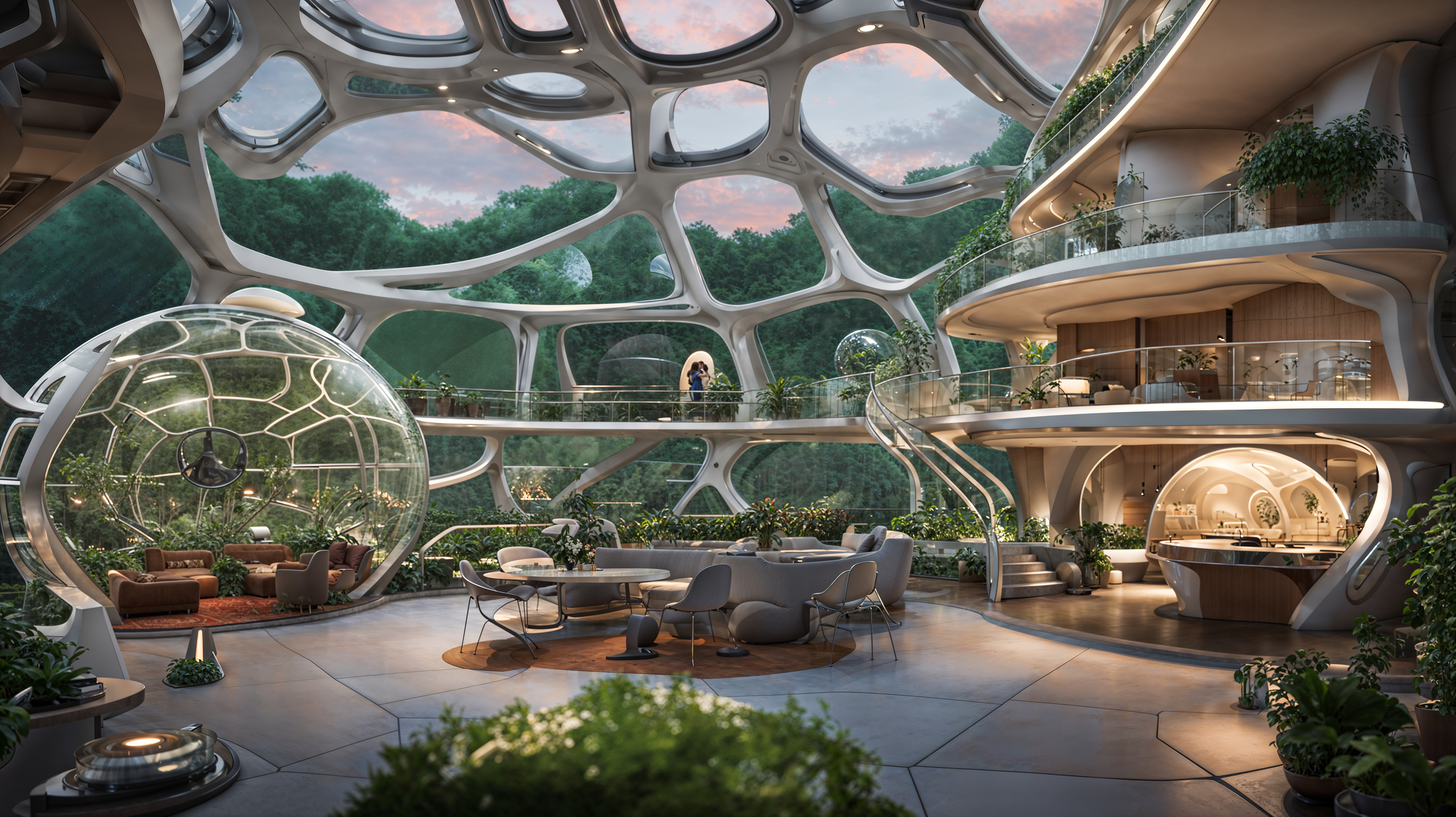
Aerospace Concepts and Space Colonization: Humanity’s Next Frontier
Since the dawn of space exploration, humanity has looked to the stars with fascination and ambition. The dream of colonizing other planets is not just a recurring theme in science fiction—it is a real necessity for the future of civilization. With advancements in aerospace technology, self-sustaining materials, modular infrastructure, and life support systems, the colonization of Mars, the Moon, and other celestial bodies has transitioned from fantasy to an achievable goal.
Aerospace concepts and architecture for extraterrestrial environments are rapidly evolving, driven by innovations in advanced propulsion, sustainable infrastructure, and interplanetary mobility. At the heart of this revolution, new approaches to space cities, planetary habitats, and long-duration spacecraft are being developed to ensure humanity can thrive beyond Earth.
This article explores the key concepts of space colonization, examining technological challenges and the groundbreaking solutions that will enable the expansion of civilization beyond our planet.
1. Why Do We Need to Colonize Space?
Space colonization is not just about exploration or scientific curiosity. Several factors make this mission essential for the survival of humankind:
- Overpopulation and resource scarcity – As the global population grows, new sources of raw materials and energy are needed.
- Climate change – Environmental degradation could make parts of Earth uninhabitable in the future.
- Natural disasters and cosmic events – An asteroid impact or a major solar eruption could pose an existential threat to humanity.
-Civilization expansion – To continue evolving, humanity must become a multi-planetary species.
- Climate change – Environmental degradation could make parts of Earth uninhabitable in the future.
- Natural disasters and cosmic events – An asteroid impact or a major solar eruption could pose an existential threat to humanity.
-Civilization expansion – To continue evolving, humanity must become a multi-planetary species.
Transitioning to a spacefaring civilization will require disruptive technologies, adaptable architecture, and new paradigms for interplanetary mobility.
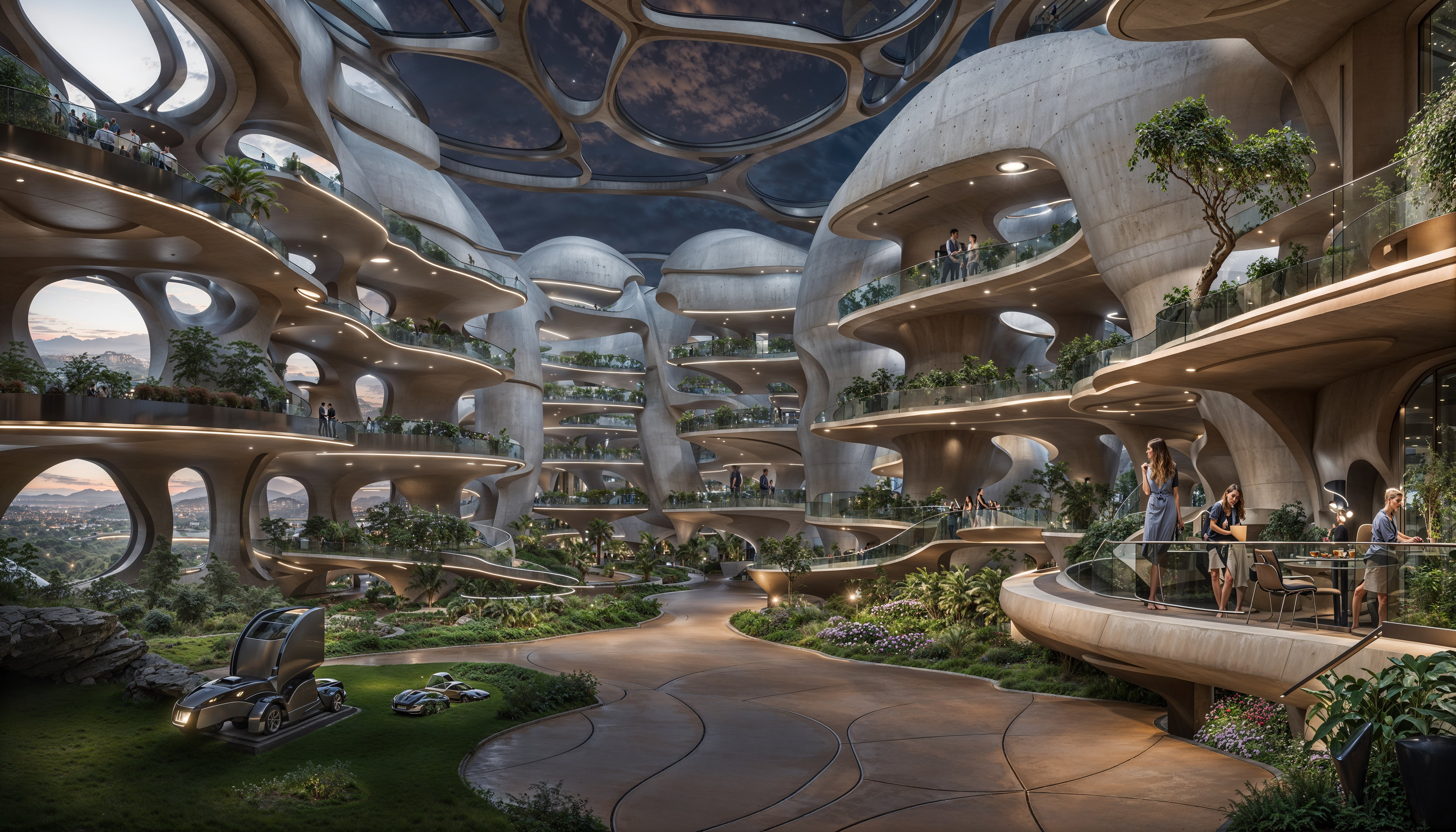
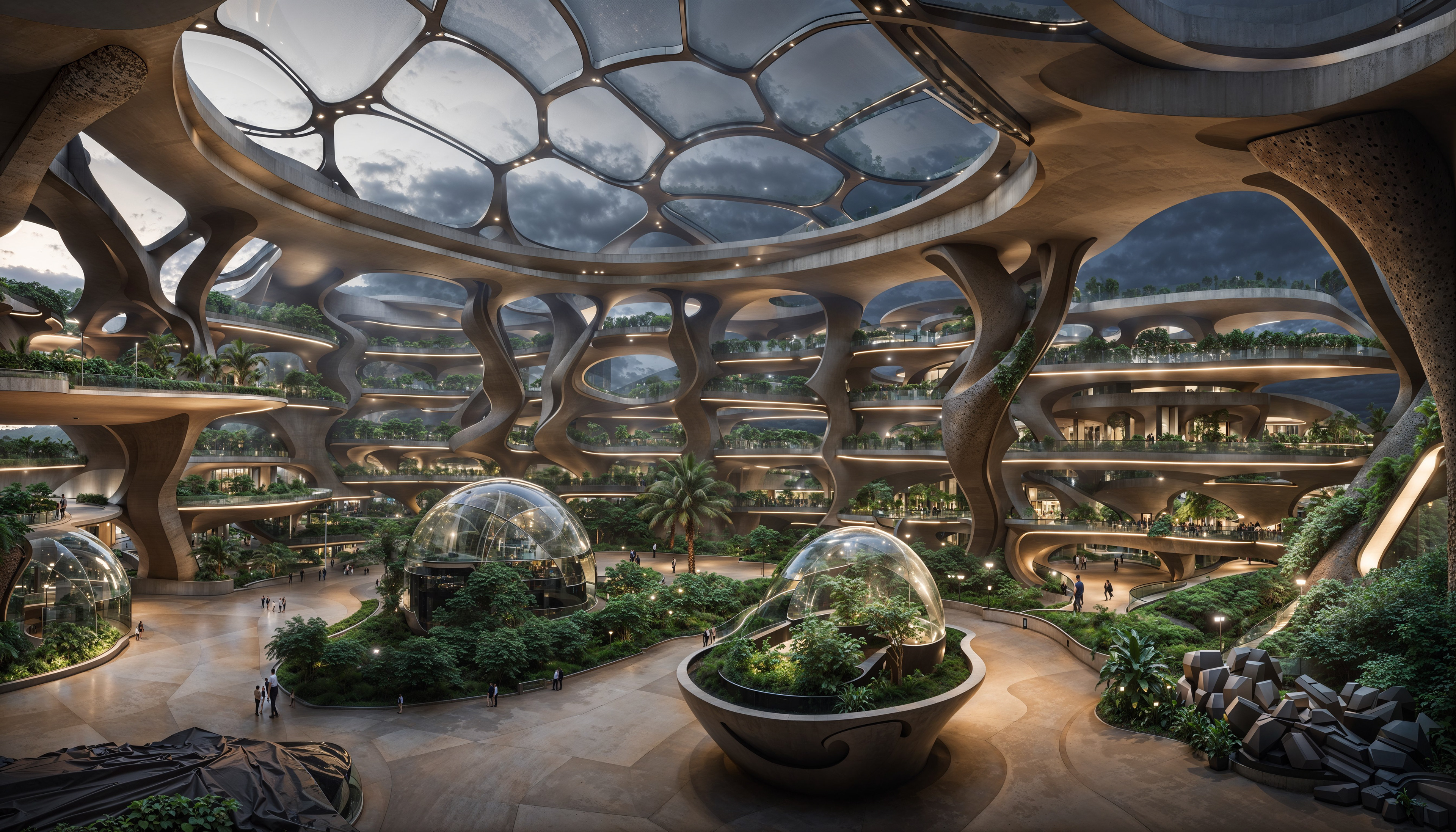
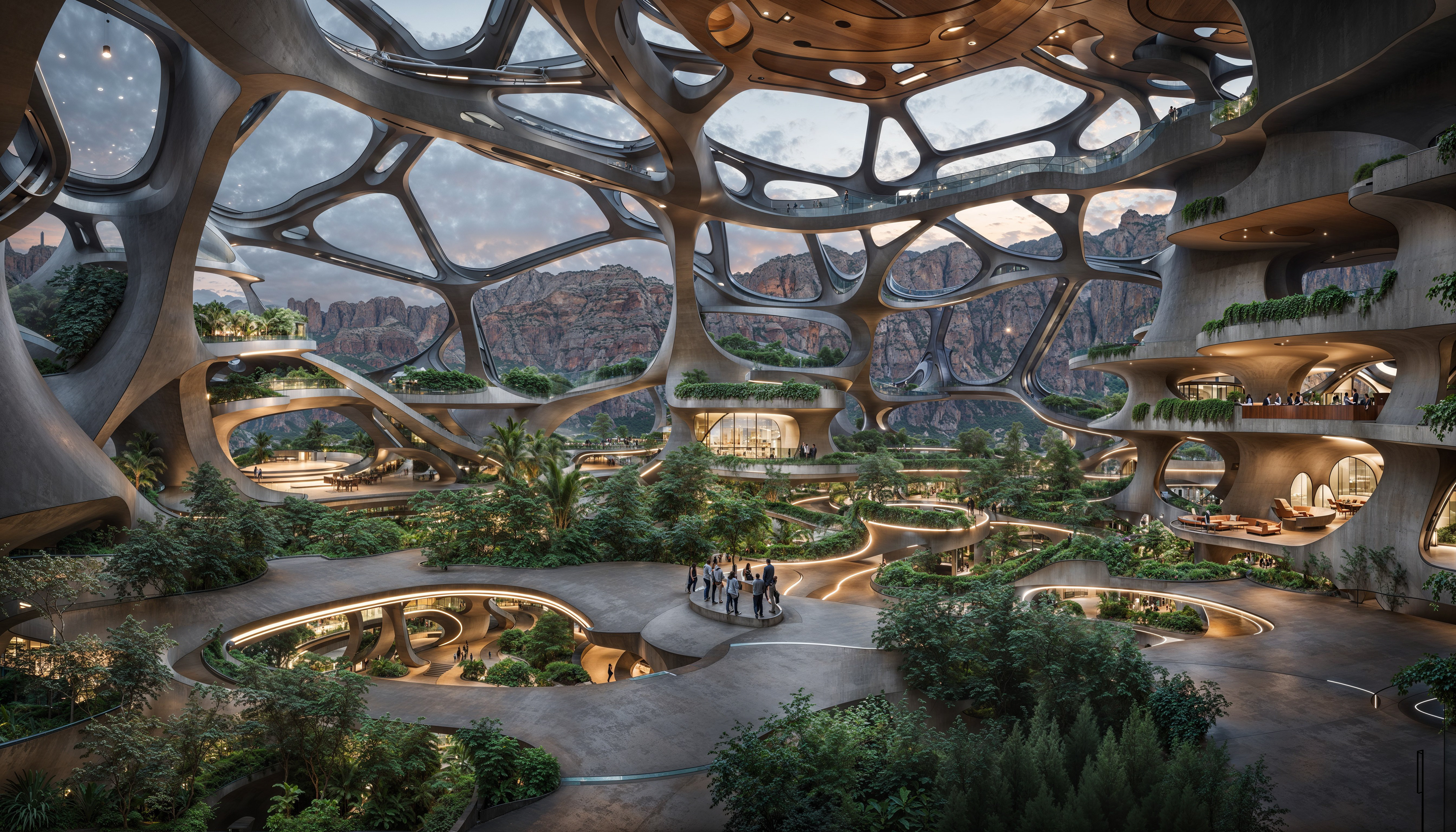
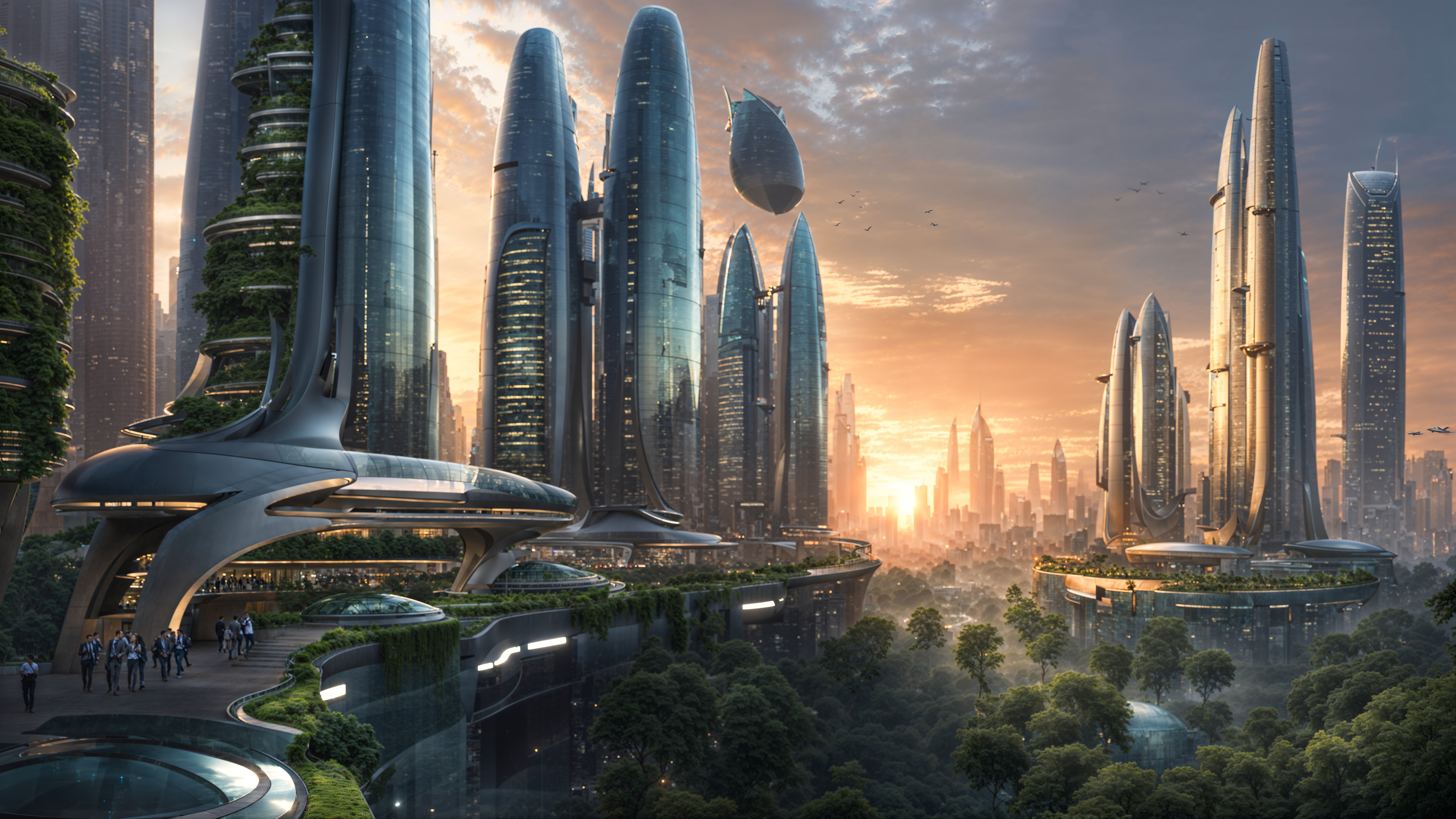
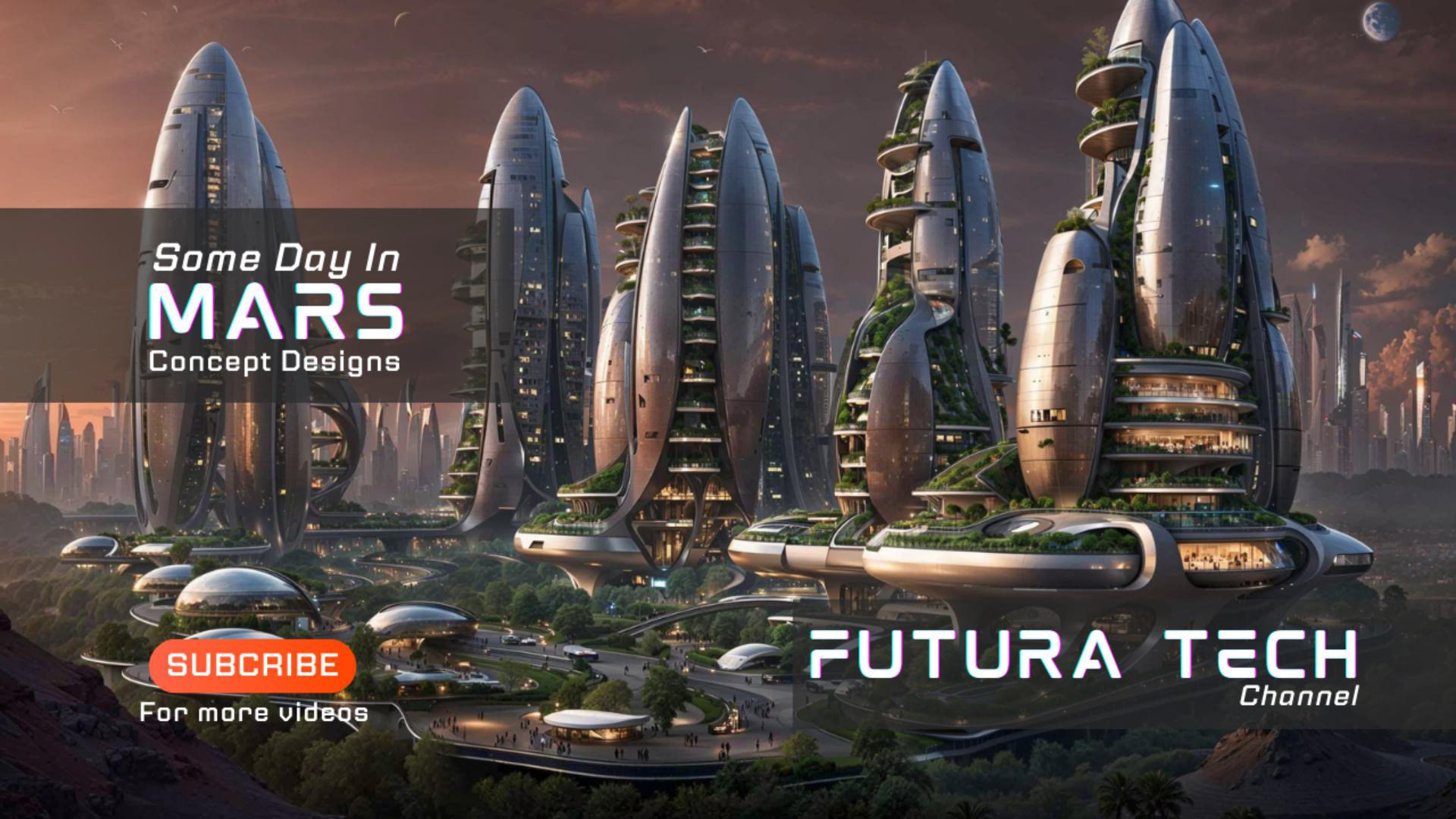
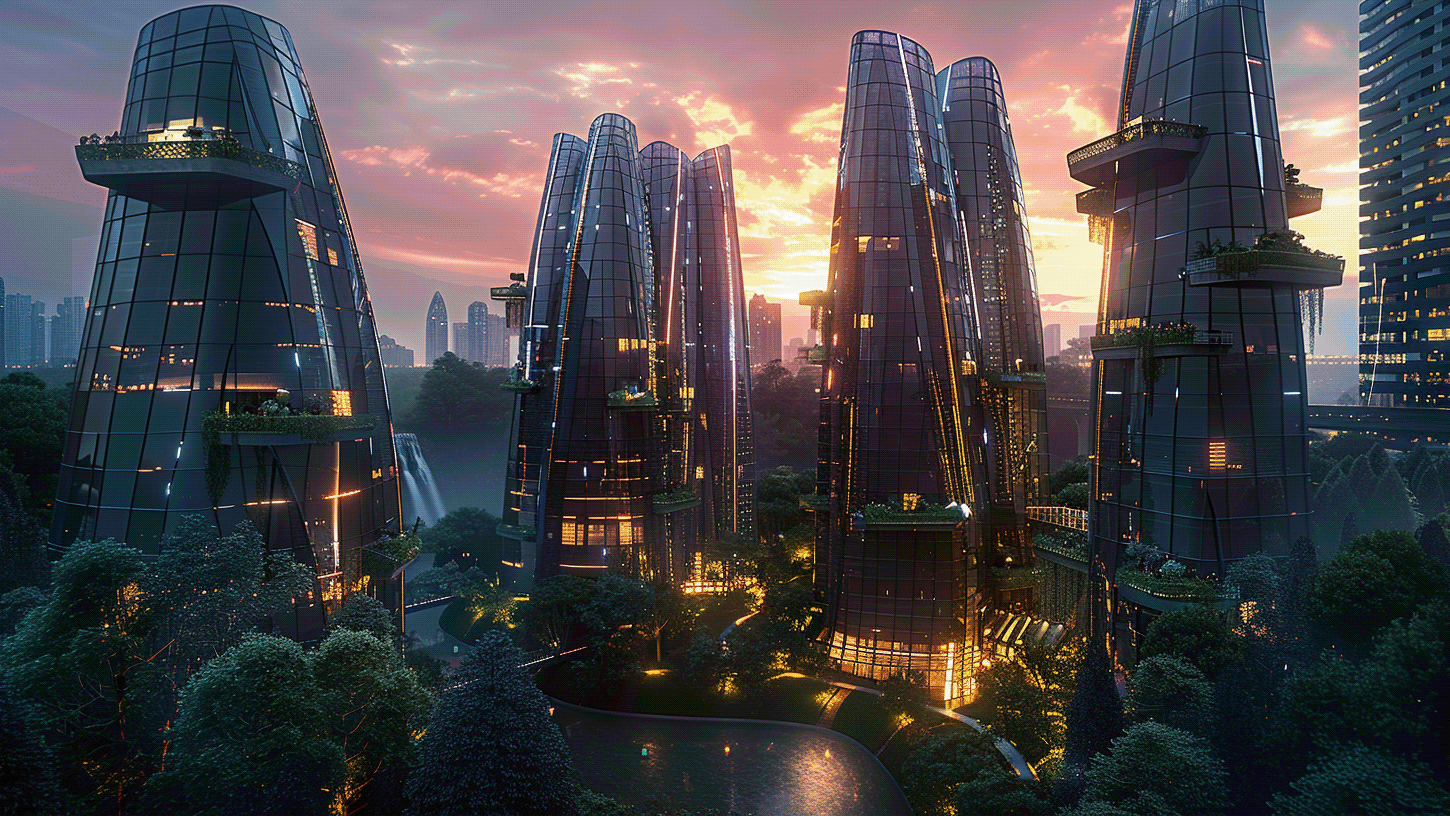
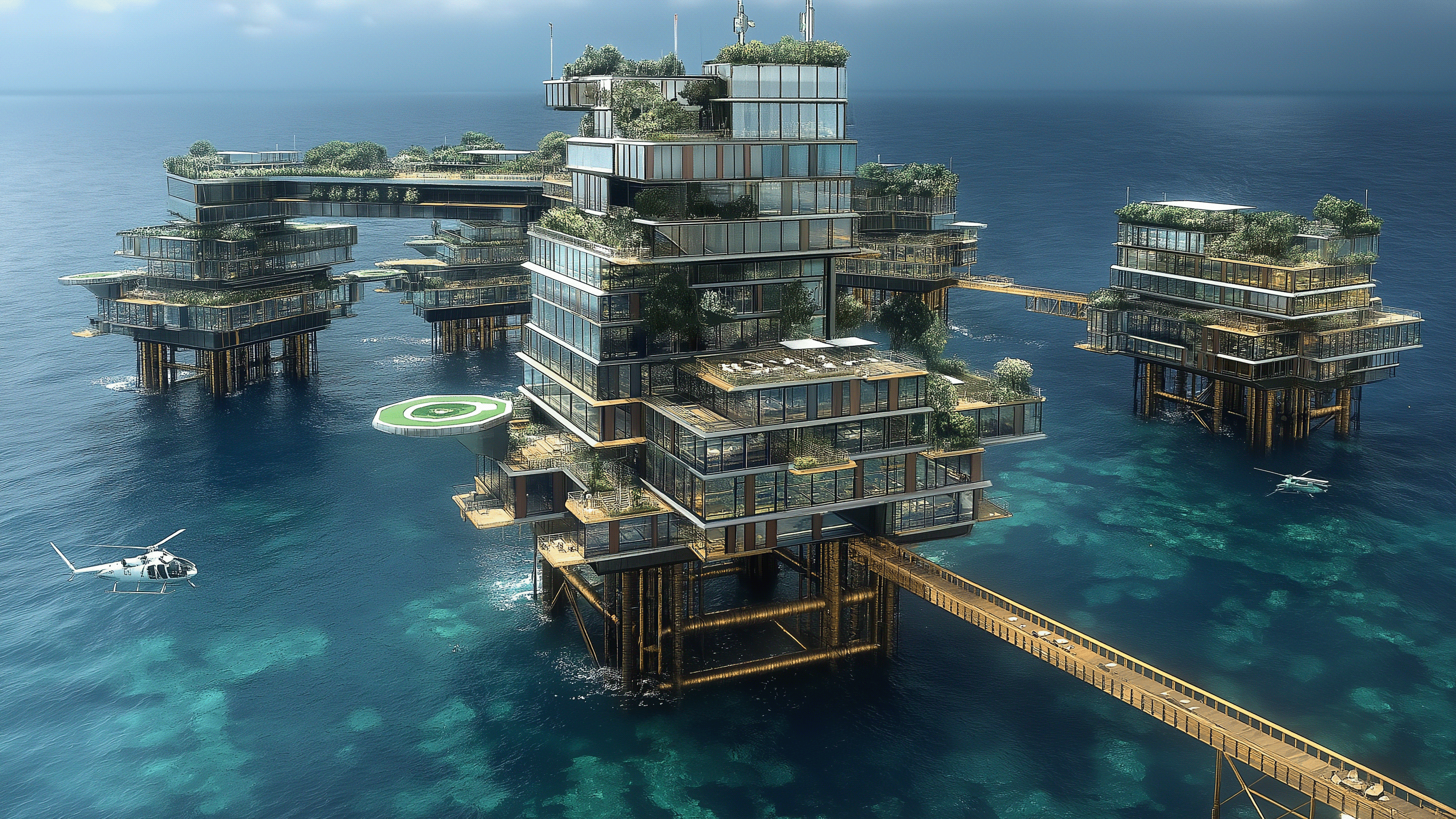
2. Space Architecture: What Will Future Cities Look Like Beyond Earth?
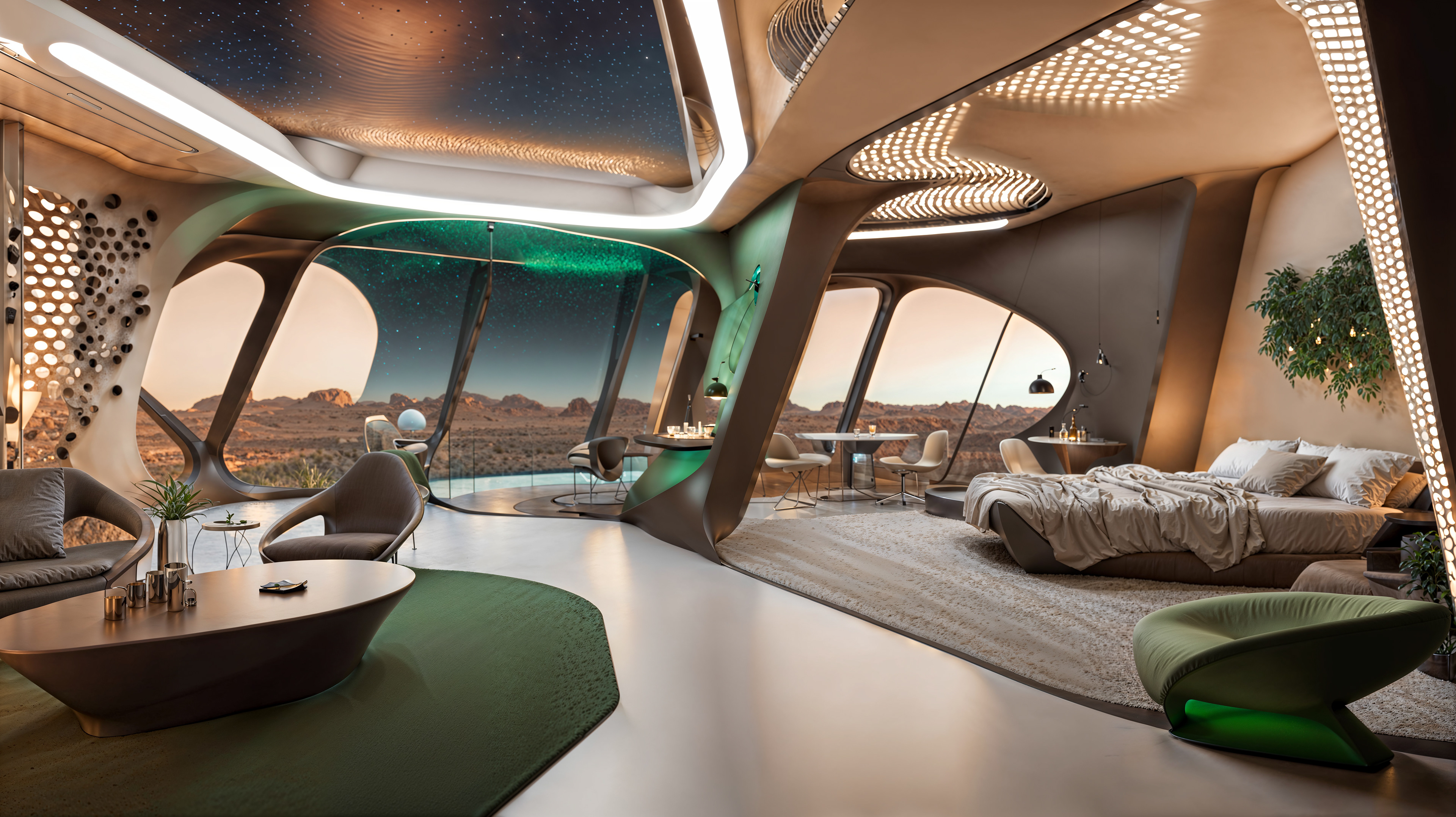
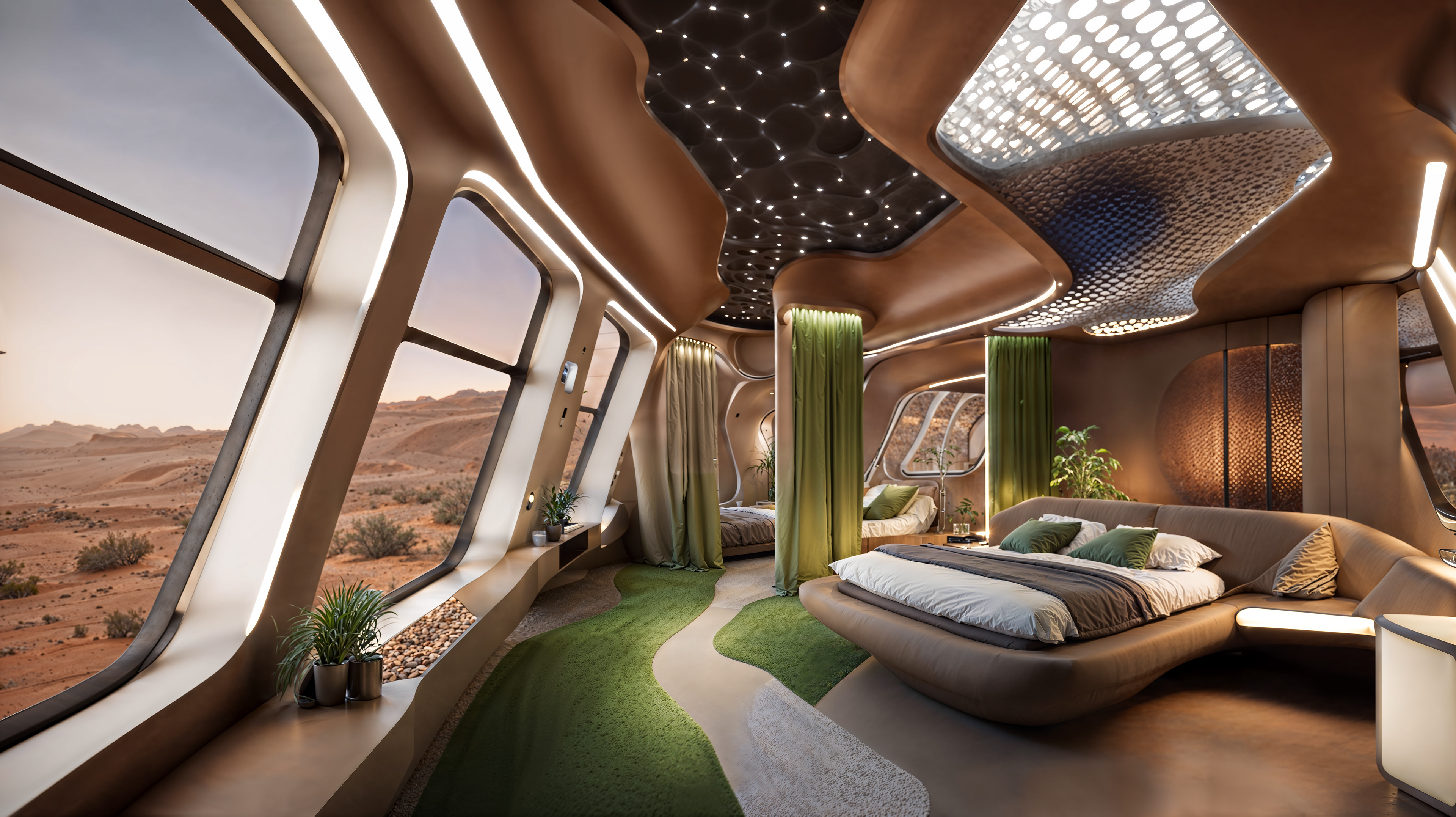
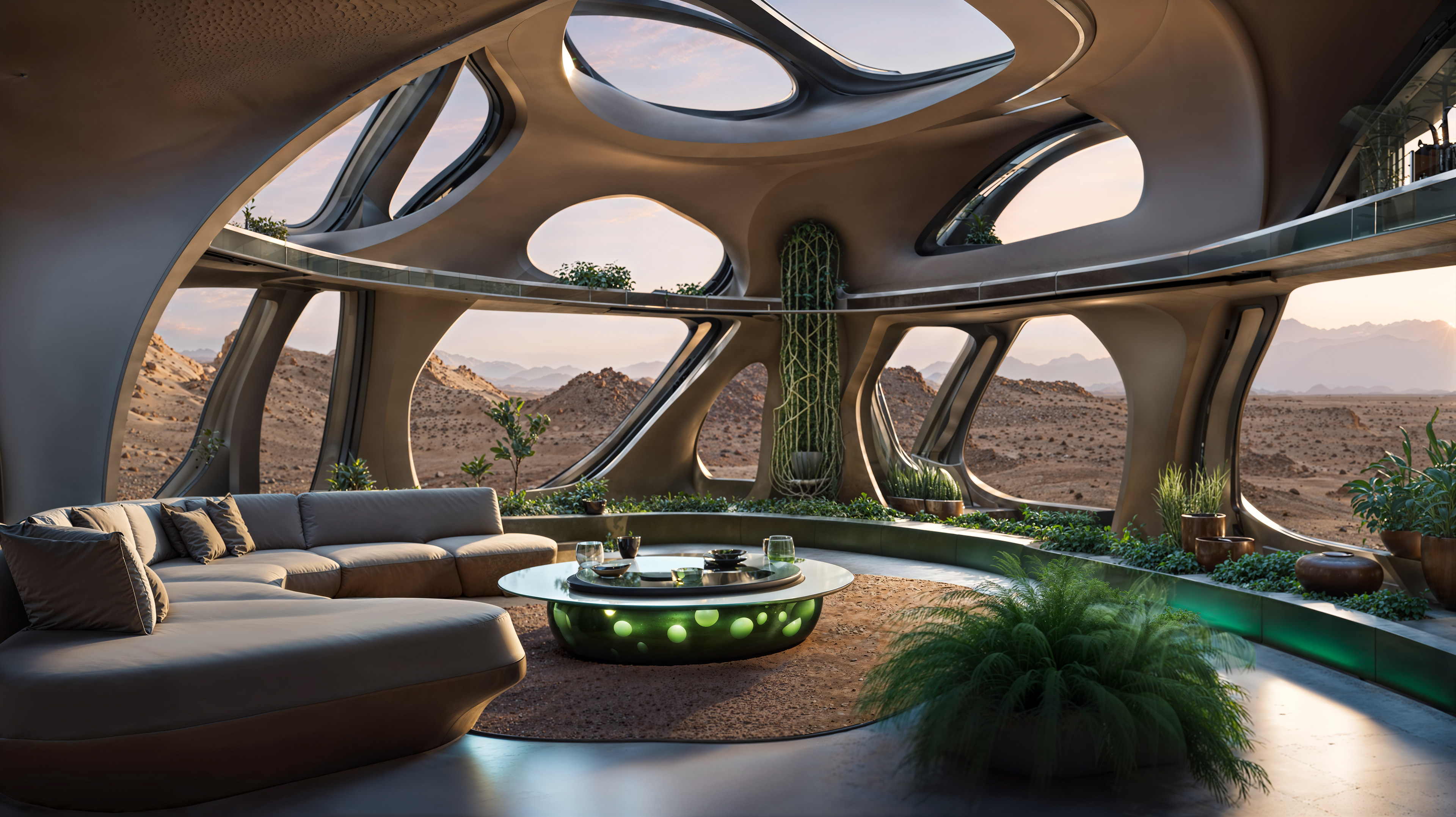
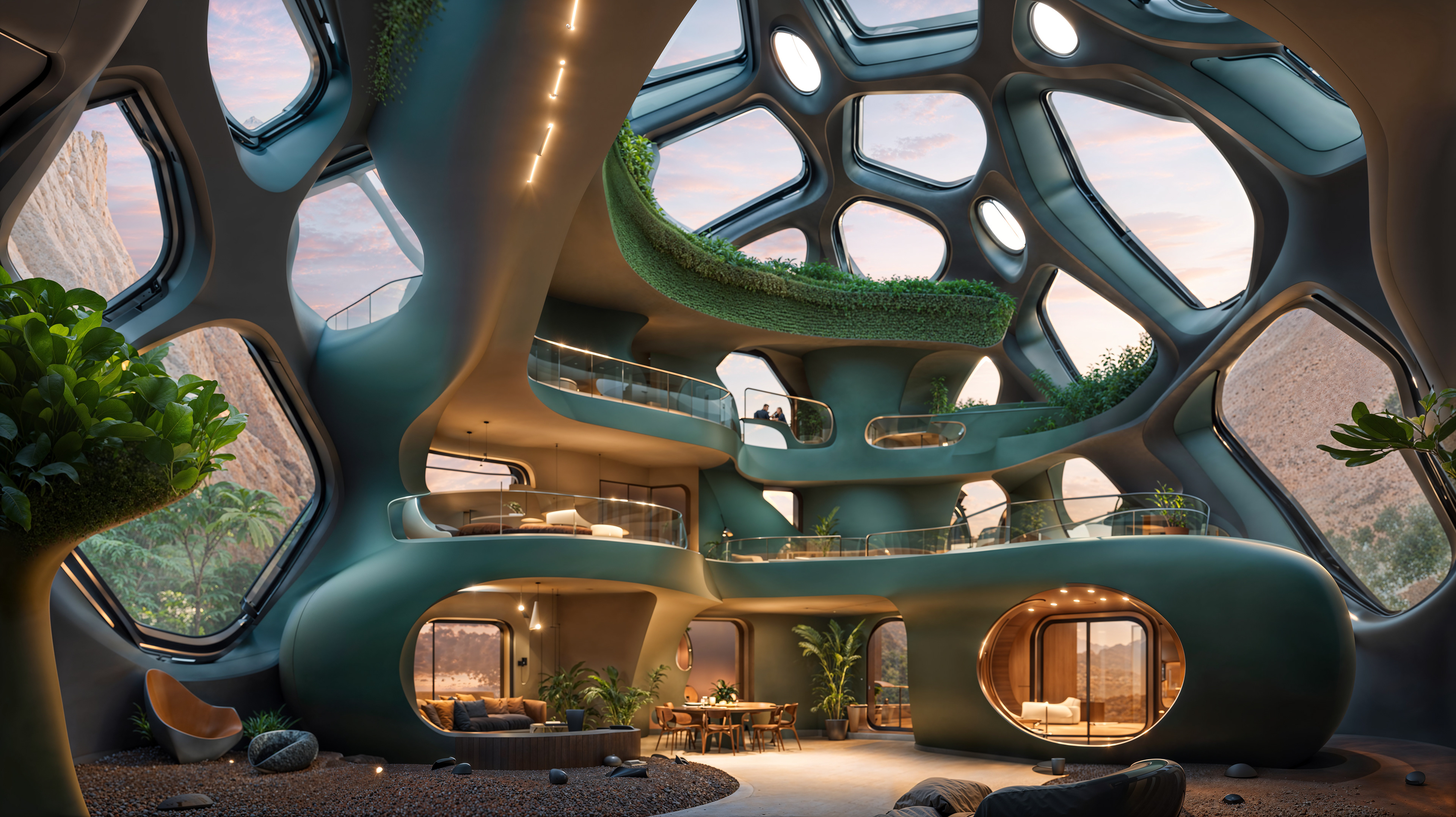
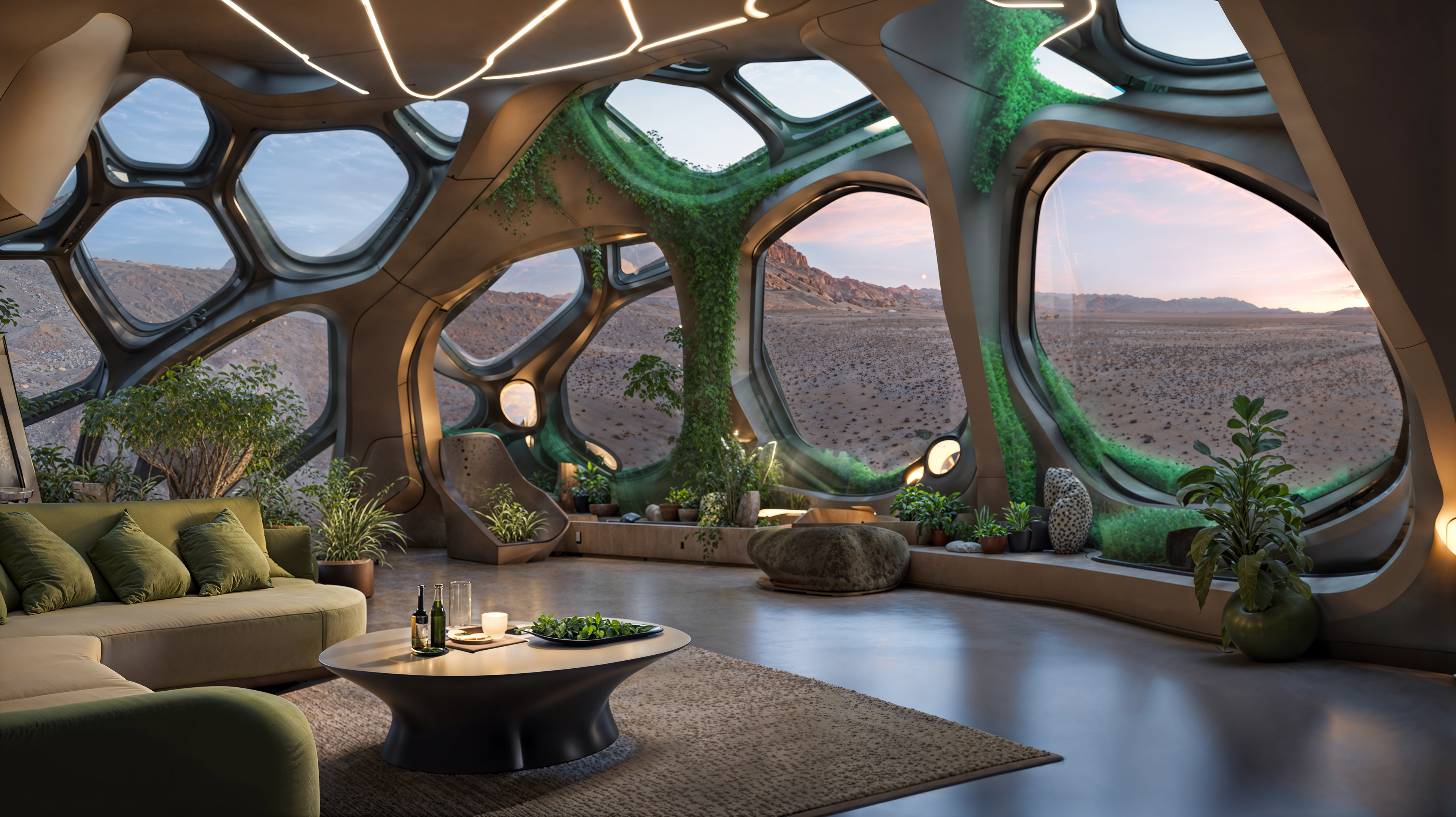
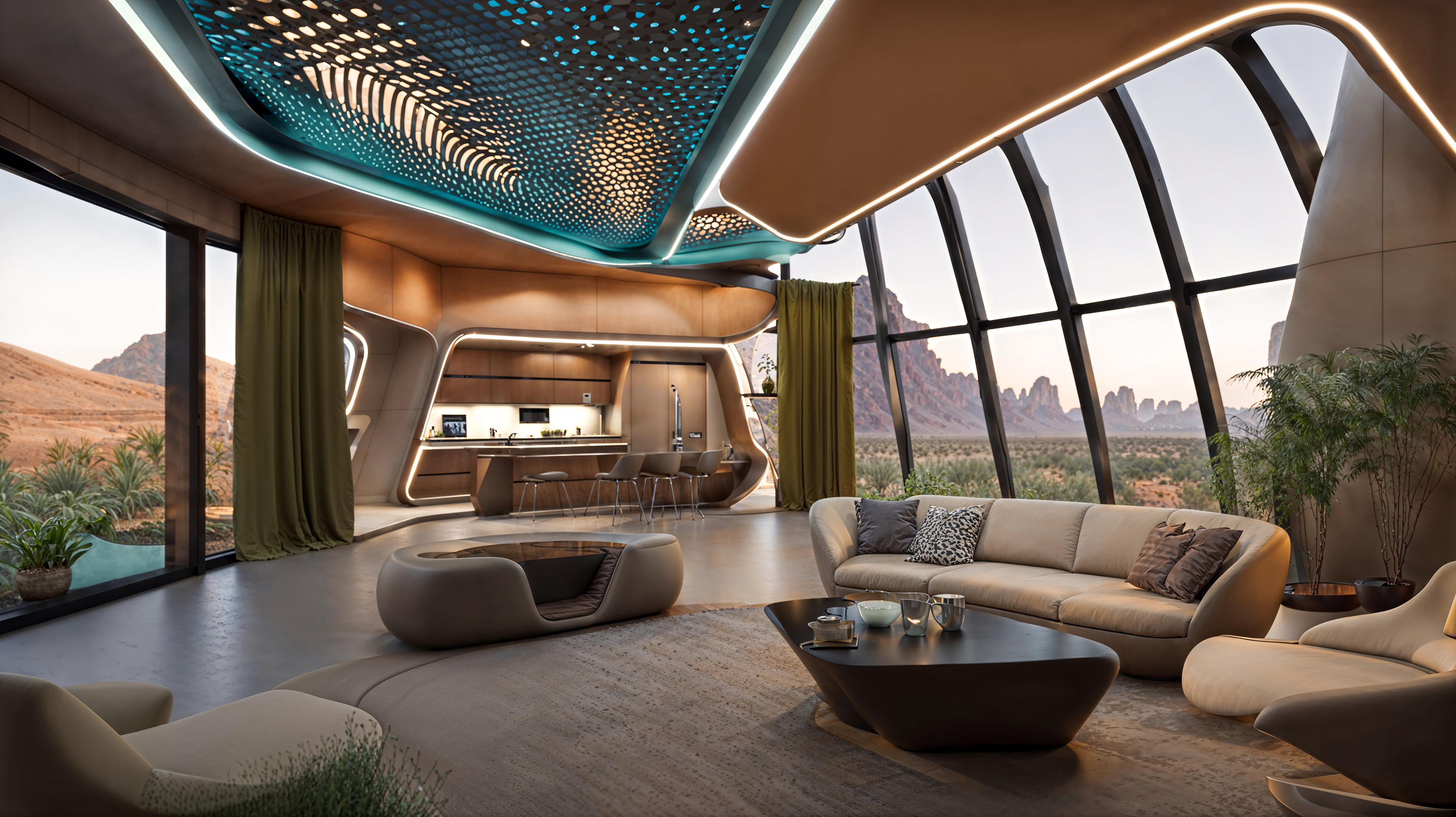
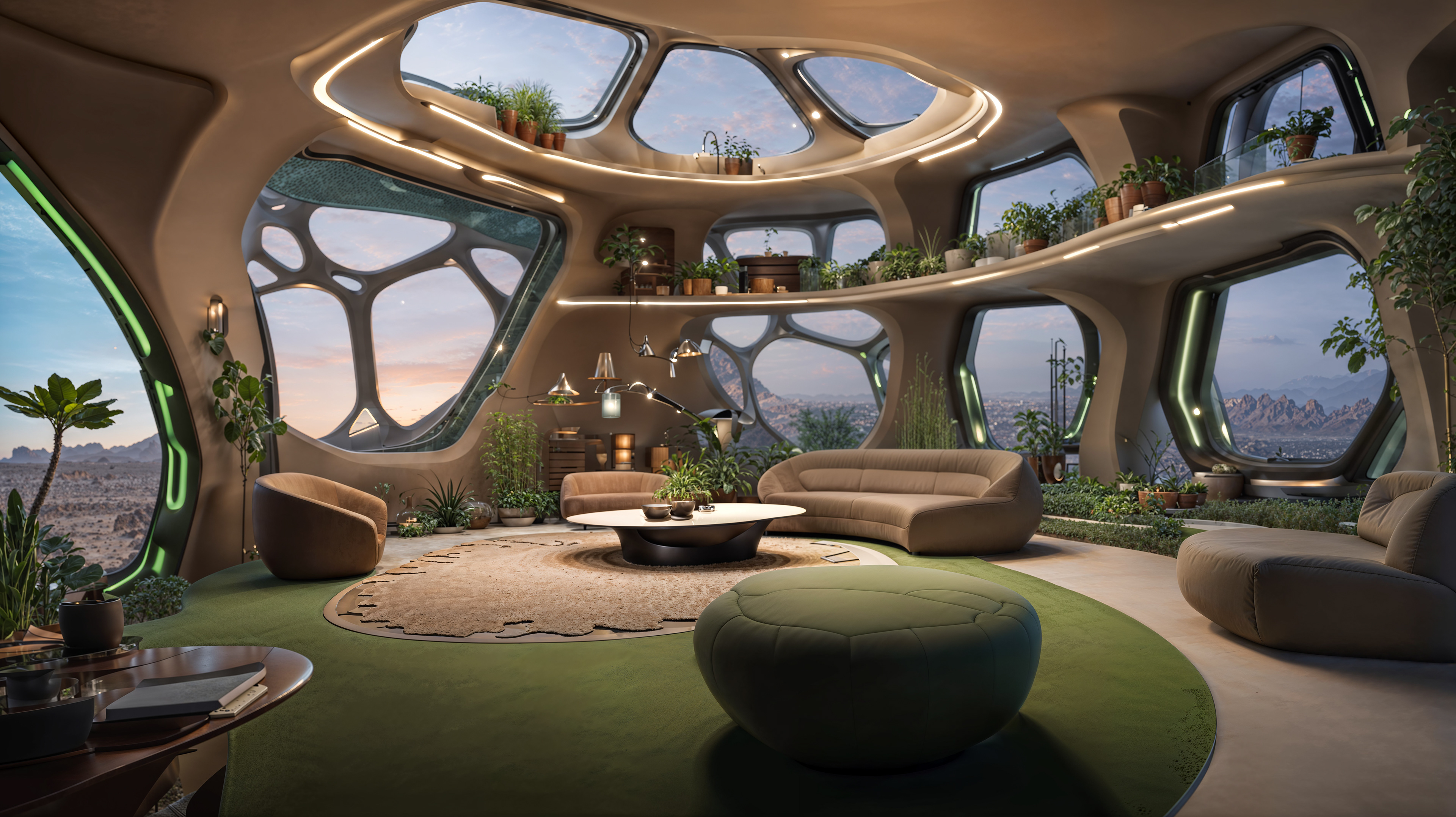
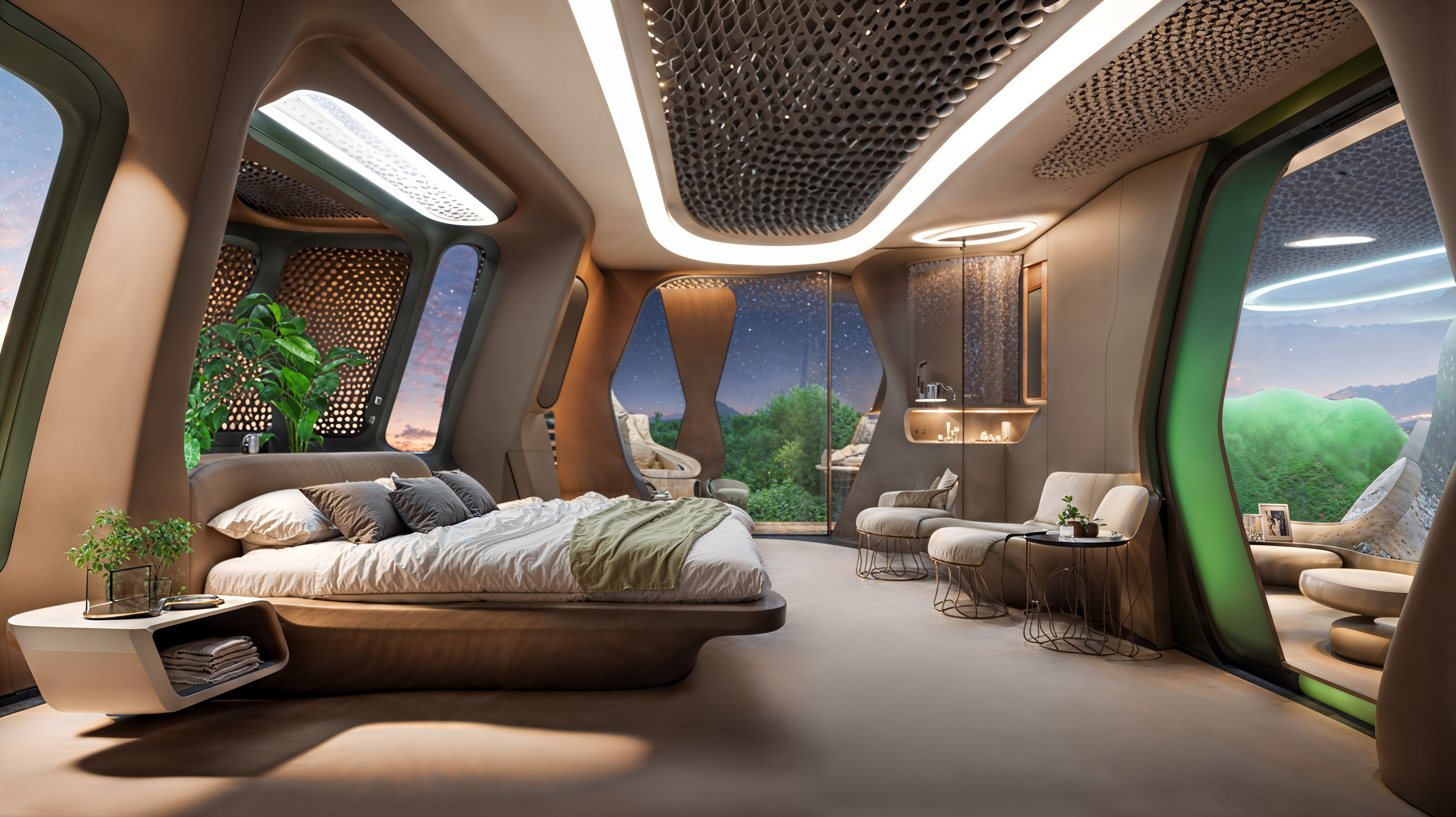
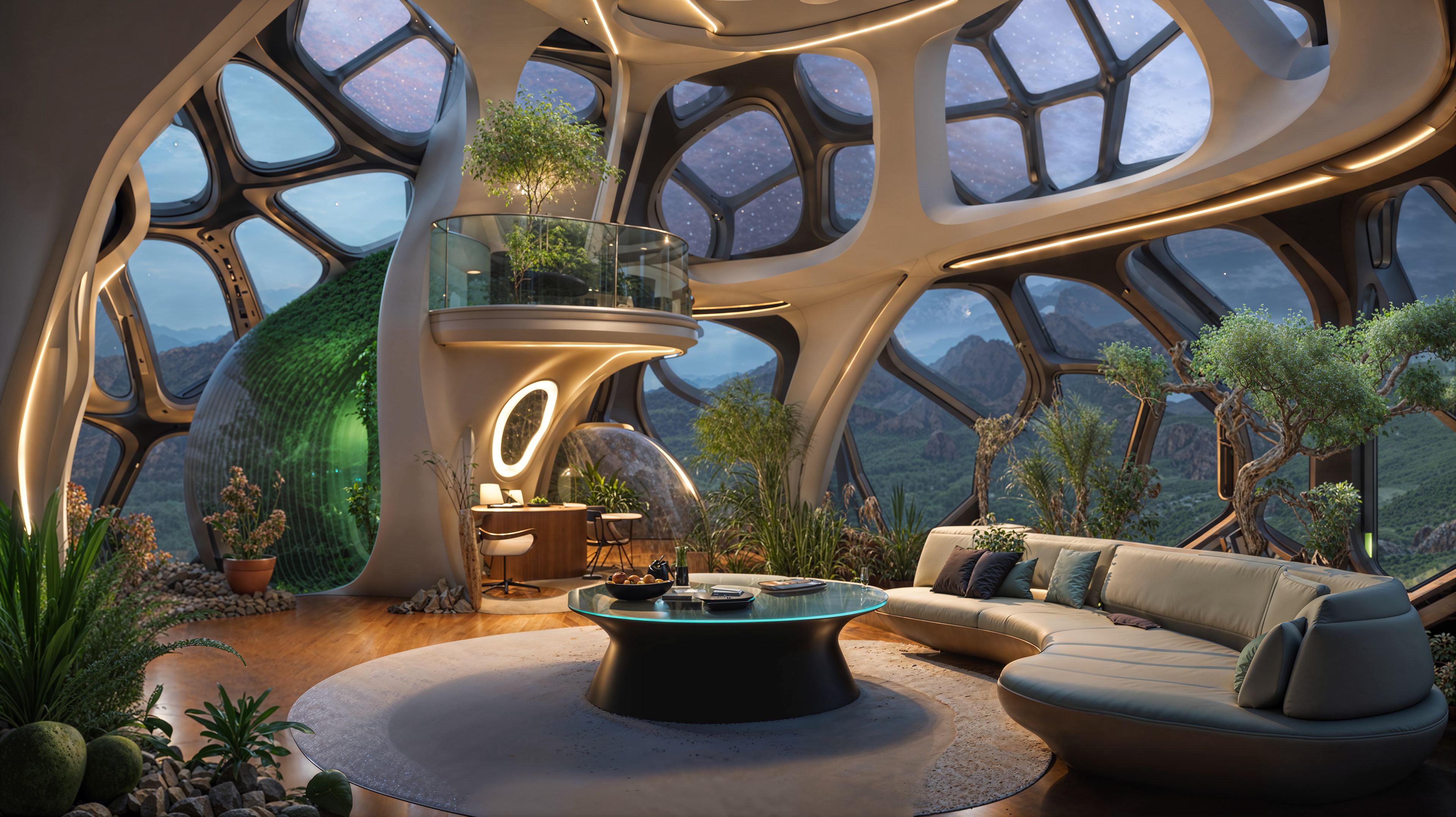
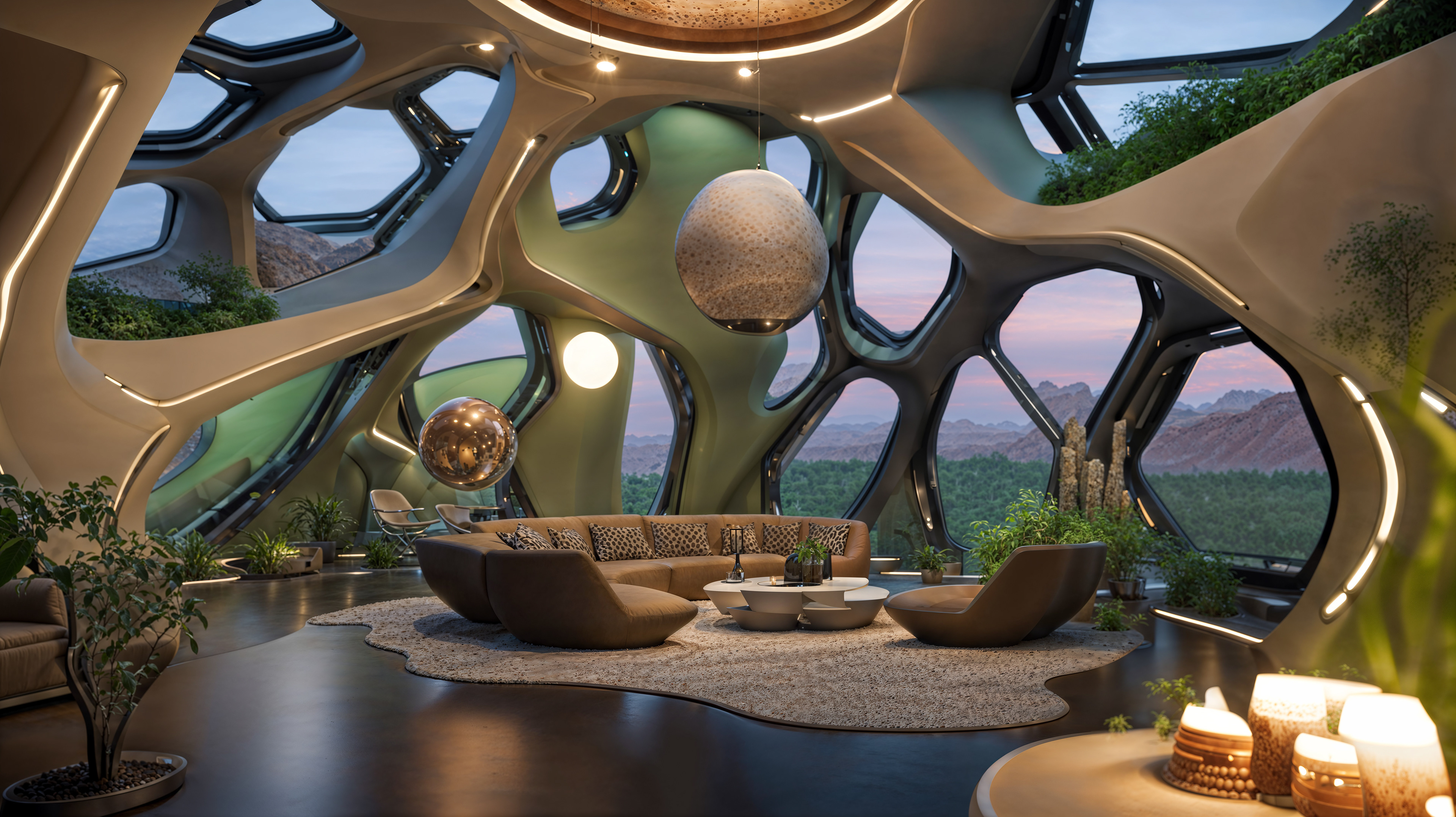
Colonizing Mars and the Moon will require structures that can withstand extreme environments, provide protection from radiation, and be energy self-sufficient. Some of the most promising approaches include:
- Subsurface Bases and 3D-Printed Modules
- Lunar and Martian Lava Tubes – Scientists are exploring the possibility of building habitats inside lava tubes on the Moon and Mars, shielding colonists from cosmic radiation and extreme temperatures.
- 3D-Printed Structures – Companies like ICON and NASA are developing technologies to 3D-print space bases using local materials, such as lunar regolith and Martian dust. This would reduce the need to transport building materials from Earth.
Inflatable and Modular Structures
- Pressurized Inflatable Habitats – Projects like Bigelow Aerospace’s BEAM modules propose inflatable structures that can be easily transported and expanded in space.
- Connectable Modules – Bases will be designed to expand modularly, allowing new structures to be added as colonies grow.
Floating Cities and Orbital Stations
- Orbital Colonies – Inspired by Gerard K. O’Neill’s ideas, space cities could be built in Earth or Martian orbit, providing artificial gravity and a sustainable environment for human habitation.
- Dyson Spheres – A theoretical concept for building megastructures around stars, capturing immense amounts of energy to sustain interplanetary societies.
These infrastructures will require bioregenerative materials, life support systems, and autonomous energy production, ensuring that space colonies can thrive independently from Earth’s supplies.
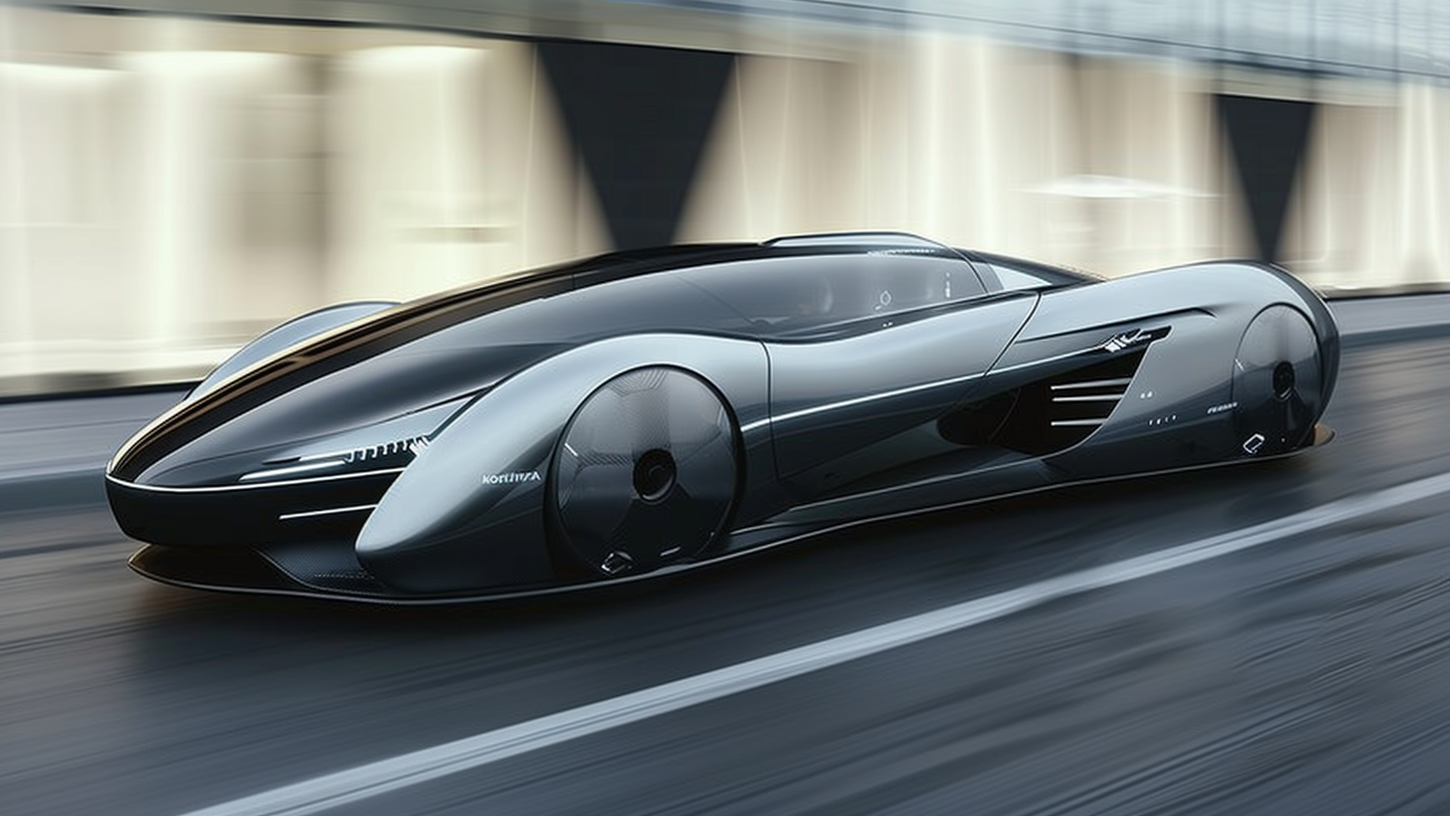
3. Space Transport: How Will We Get There?
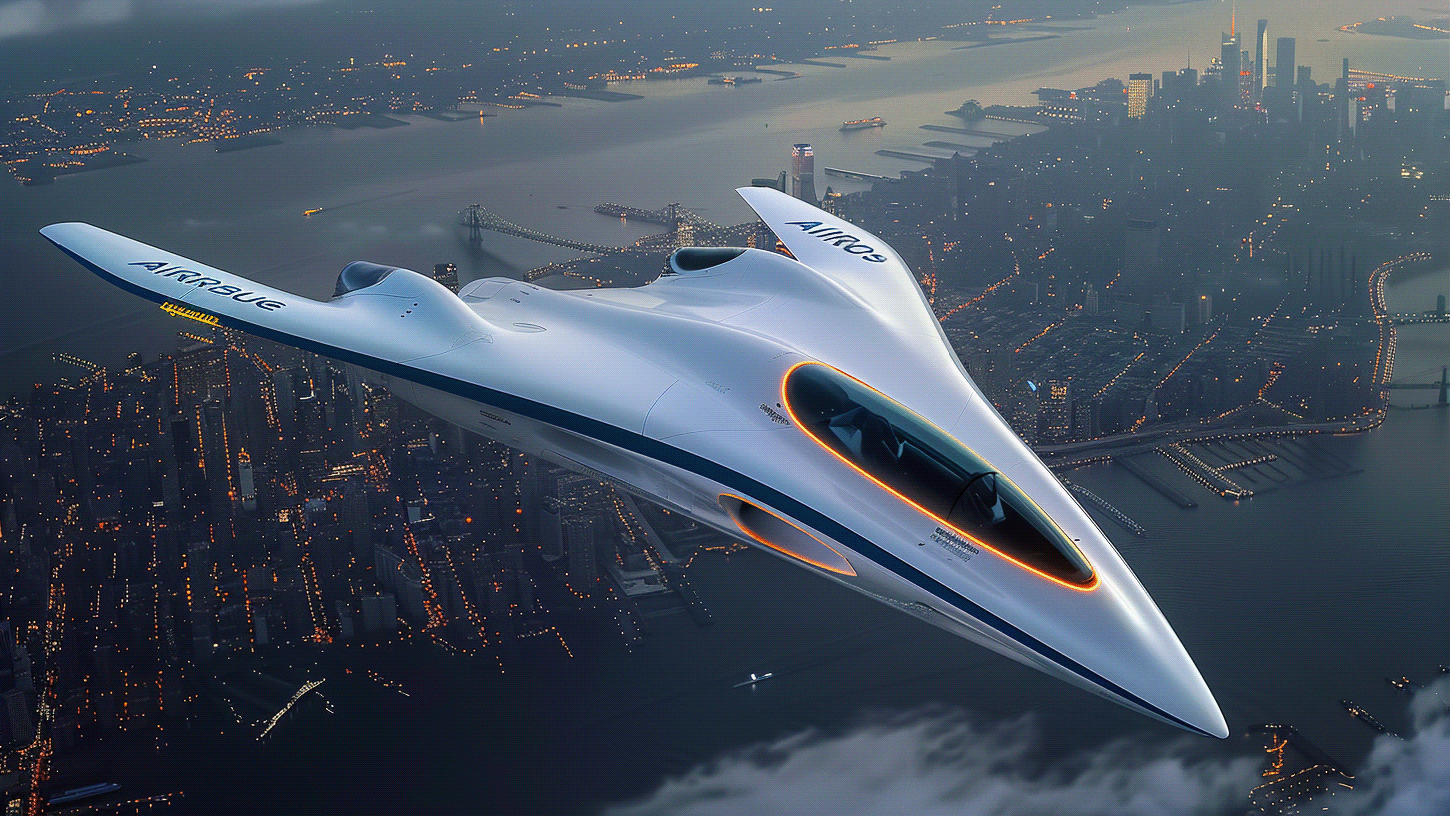
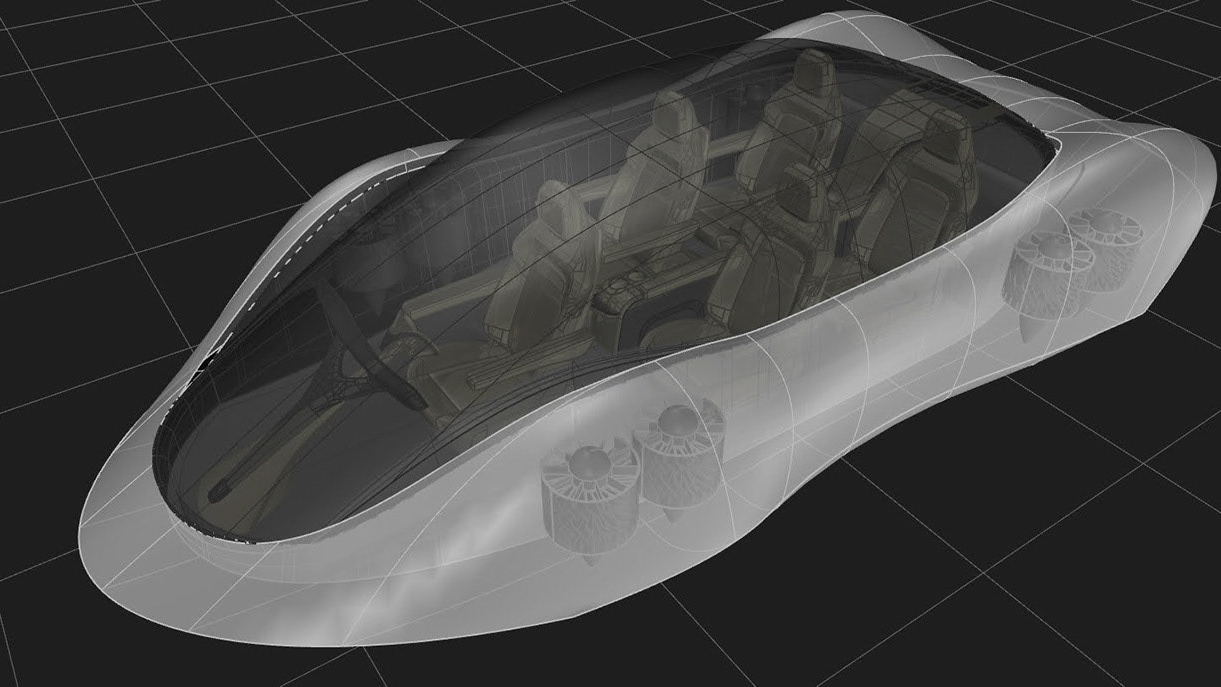
The challenges of interplanetary mobility are immense, but advances in space propulsion, travel optimization, and orbital refueling are making this transition increasingly viable.
3.1. Advanced Propulsion for Interstellar Travel
Traditional chemical rocket systems are inefficient for long-distance missions, necessitating the adoption of new propulsion methods:
- Nuclear Fusion Propulsion – Engines using nuclear reactions to propel spacecraft, offering greater energy efficiency.
- Antimatter Engines – Utilizing collisions between matter and antimatter, this technology could generate immense thrust with minimal fuel consumption.
- Warp Drive – Theoretical concepts inspired by Miguel Alcubierre’s work suggest that manipulating space-time could allow for faster-than-light travel.
- Antimatter Engines – Utilizing collisions between matter and antimatter, this technology could generate immense thrust with minimal fuel consumption.
- Warp Drive – Theoretical concepts inspired by Miguel Alcubierre’s work suggest that manipulating space-time could allow for faster-than-light travel.
3.2. Space Transportation Infrastructure
Beyond propulsion, a comprehensive space transport ecosystem is required to enable frequent interplanetary missions. Some key solutions include:
- Space Elevators – Giant structures connecting a planet’s surface to orbit, enabling cargo transport without rockets.
- Lunar and Martian Refueling Stations – Bases serving as fuel depots and maintenance hubs for spacecraft.
- Orbital Transport Routes – Concepts like the Hohmann Transfer utilize planetary orbits to create energy-efficient travel routes.
- Lunar and Martian Refueling Stations – Bases serving as fuel depots and maintenance hubs for spacecraft.
- Orbital Transport Routes – Concepts like the Hohmann Transfer utilize planetary orbits to create energy-efficient travel routes.
These innovations will make interplanetary missions more frequent, affordable, and sustainable.
4. Sustainable Life Support Systems in Space
Once humans establish space colonies, ensuring self-sufficient energy and food production will be crucial. Some of the essential survival technologies include:
4.1. Space-Based Energy Production
- Solar Power Satellites – Capturing solar energy directly from space without Earth’s atmospheric limitations.
- Zero-Point Energy Generators – A future possibility for extracting energy from quantum vacuum fluctuations.
- Algae Bioreactors – Systems producing oxygen and capturing CO₂ through algae and microbial activity.
- Zero-Point Energy Generators – A future possibility for extracting energy from quantum vacuum fluctuations.
- Algae Bioreactors – Systems producing oxygen and capturing CO₂ through algae and microbial activity.
4.2. Space Agriculture and Food Production
- Hydroponic and Aeroponic Farms – Growing food in pressurized greenhouses using minimal water.
- Aquaponics Systems – Combining fish farming with plant cultivation to create a self-sustaining protein and vegetable source.
- Aquaponics Systems – Combining fish farming with plant cultivation to create a self-sustaining protein and vegetable source.
Implementing these solutions will allow space colonies to survive without constant resupply missions from Earth.
5. Expanding Civilization to Other Worlds
The first step toward space colonization will be establishing permanent bases on the Moon and Mars, but the ultimate goal is to take humanity beyond the Solar System.
- Terraforming Mars – Processes aimed at modifying Mars’ atmosphere to make the planet habitable.
- Interstellar Colonization – Exploring habitable exoplanets and possibly sending probes to nearby star systems.
- Exploring Habitable Moons – Saturn and Jupiter have moons like Titan and Europa, which could support human colonies.
- Interstellar Colonization – Exploring habitable exoplanets and possibly sending probes to nearby star systems.
- Exploring Habitable Moons – Saturn and Jupiter have moons like Titan and Europa, which could support human colonies.
Conclusion: Humanity Is on the Verge of Becoming Interstellar
The future of civilization is not confined to Earth. With advancements in space architecture, advanced propulsion, self-sustaining infrastructure, and interplanetary exploration, we are preparing to take the first steps toward an era where space becomes our new home.
The question is not if, but when we will embark on this journey. The destiny of humanity is not to remain bound to a single planet—it is to explore and inhabit the cosmos.
- The future of space exploration has already begun. Get ready for the next great frontier.