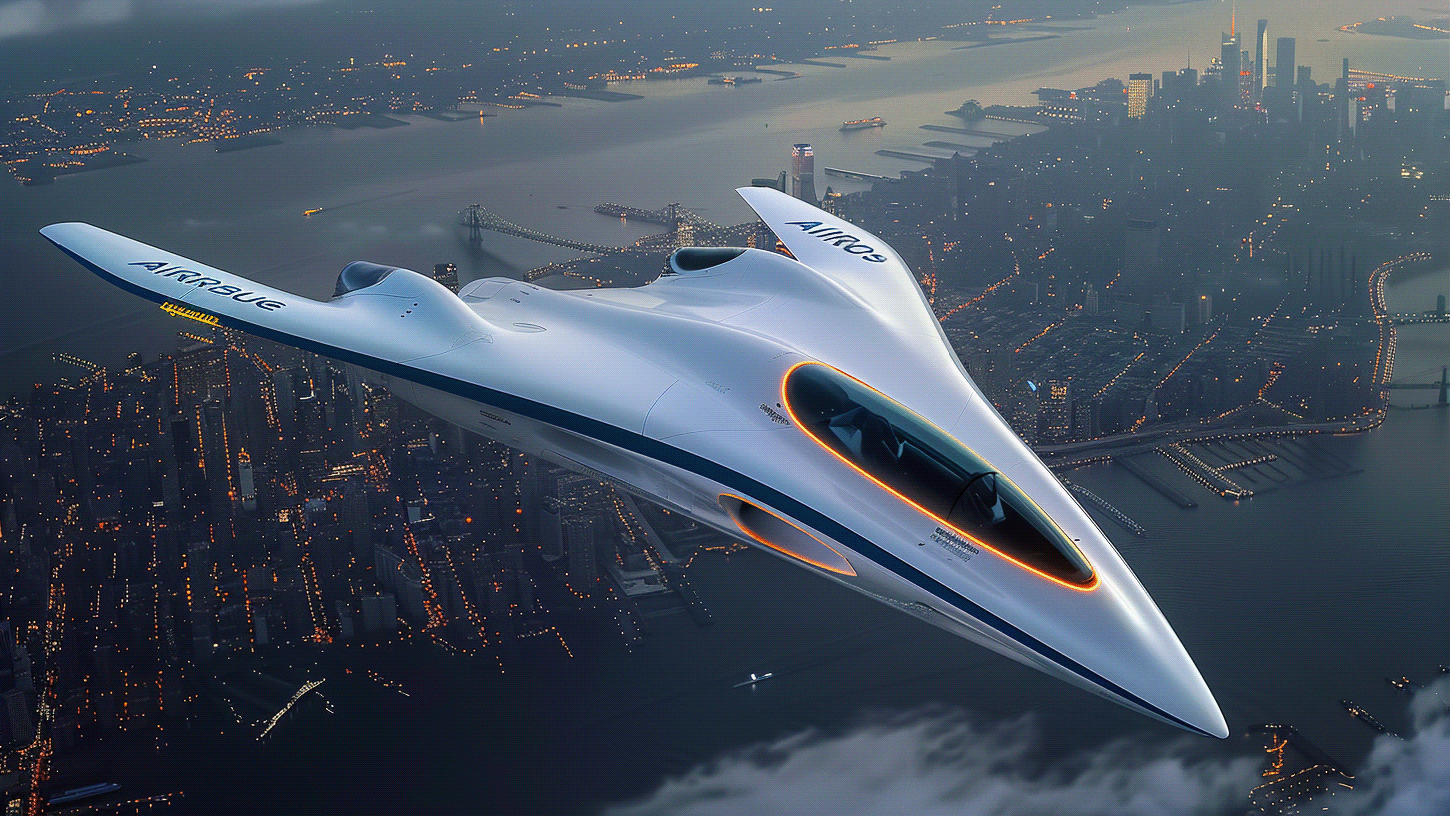
“Today's luxury yachts will one day be tomorrow's luxury spaceships.”
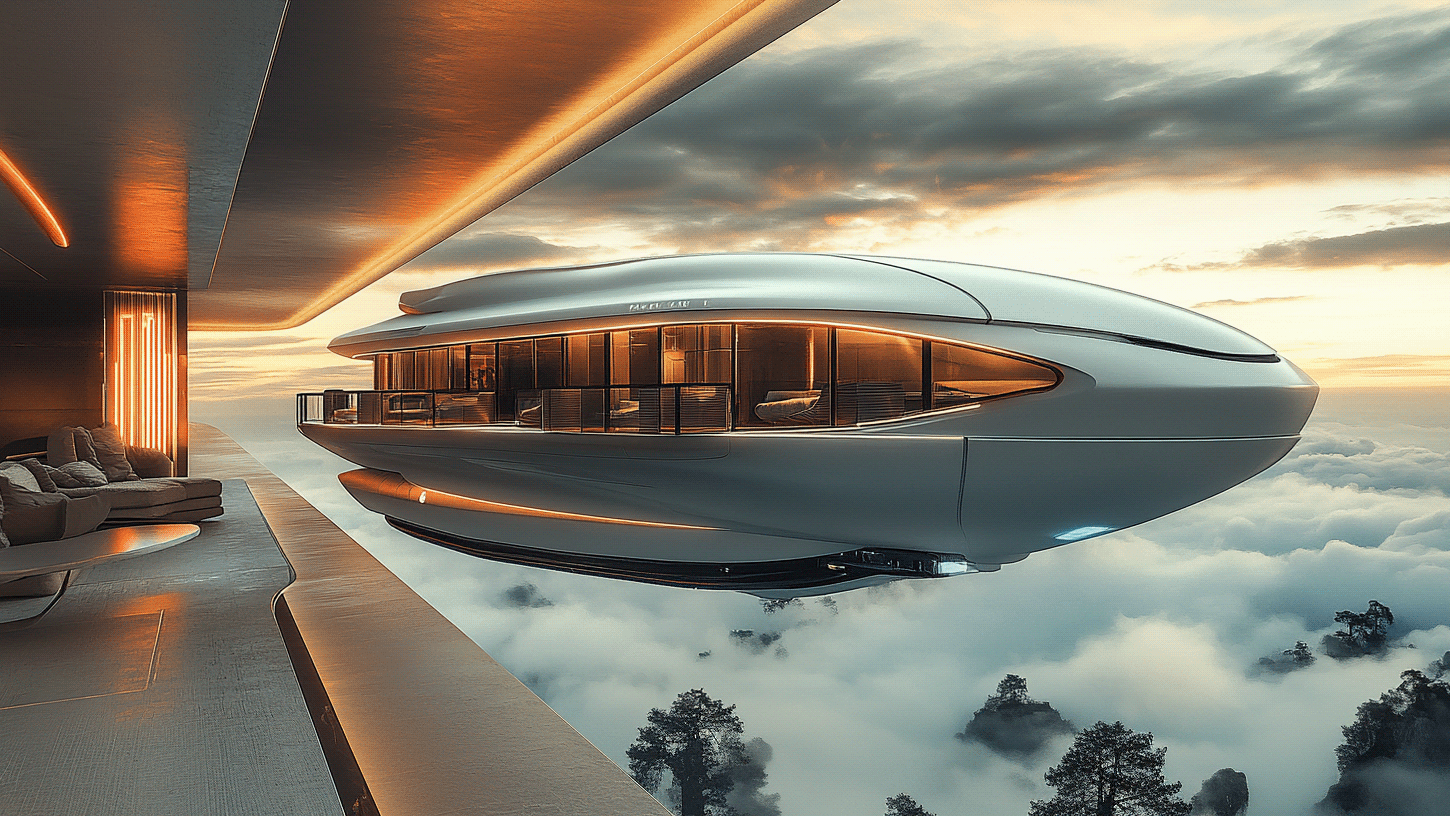
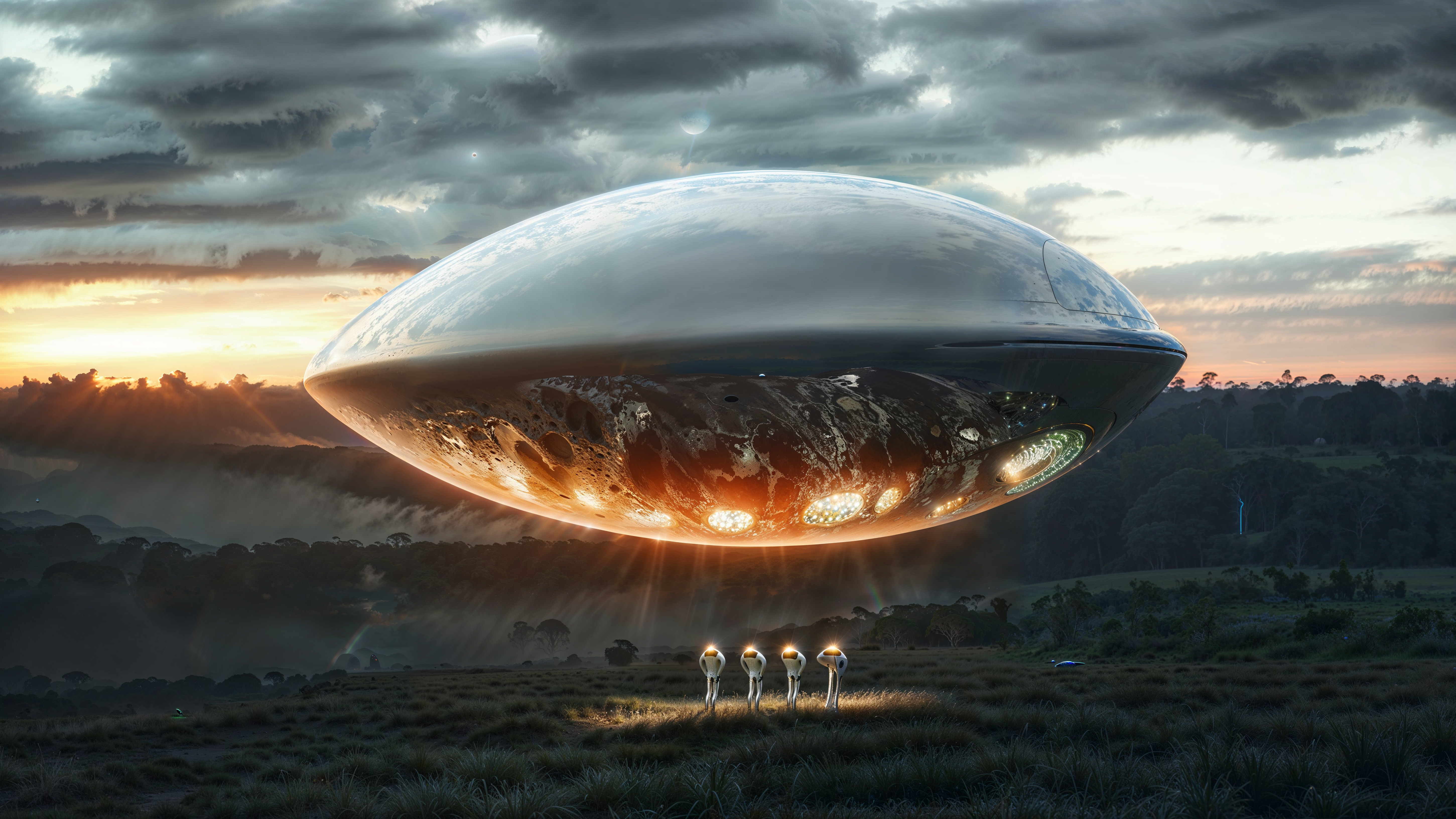
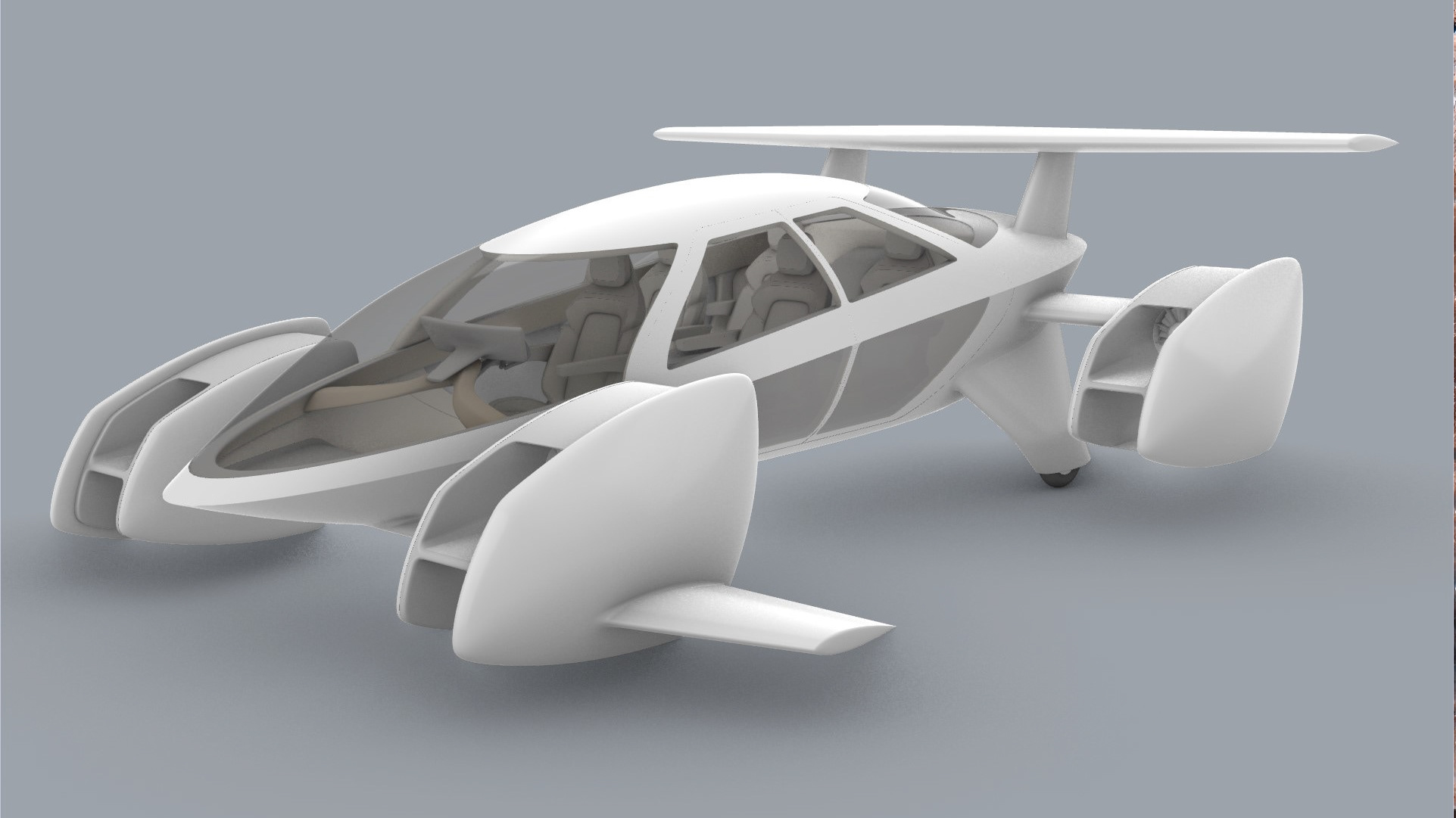
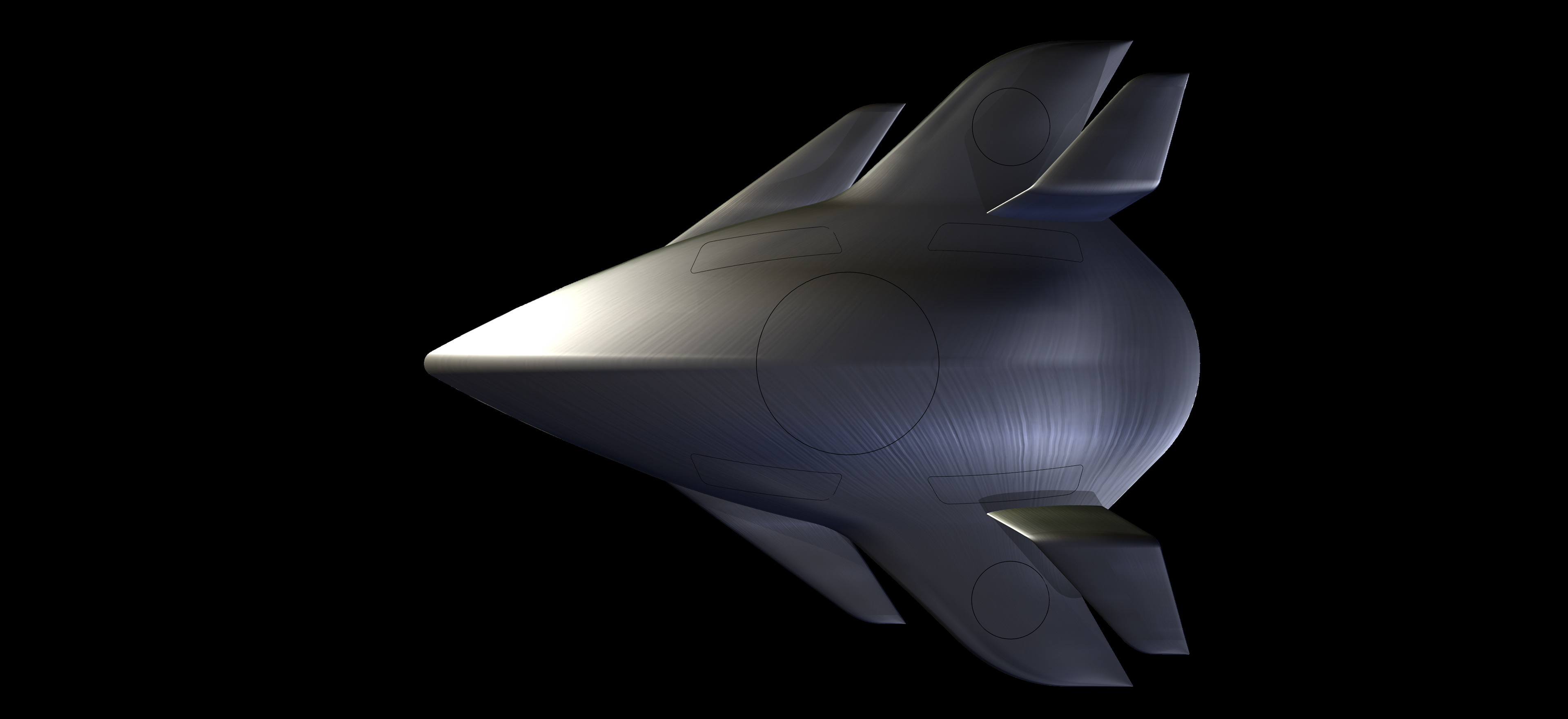
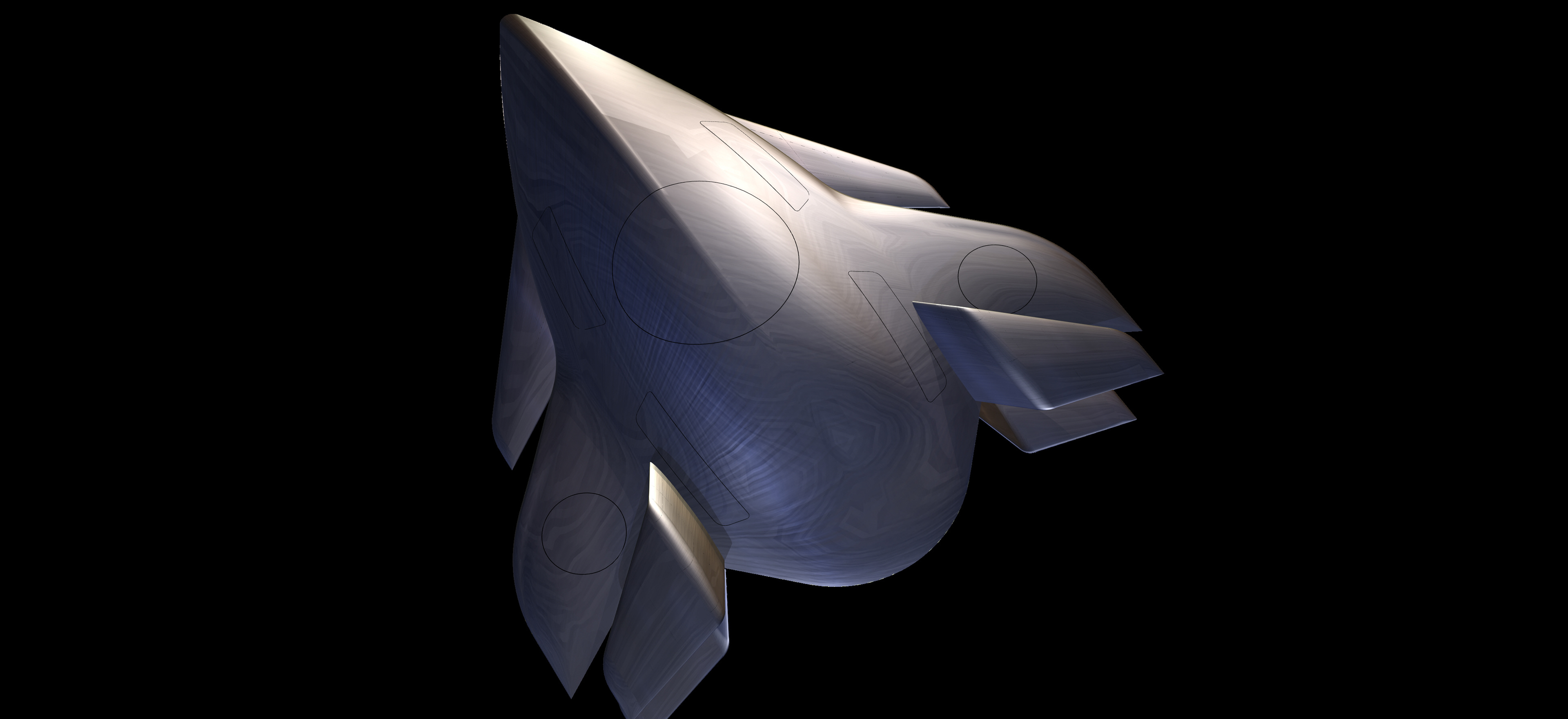
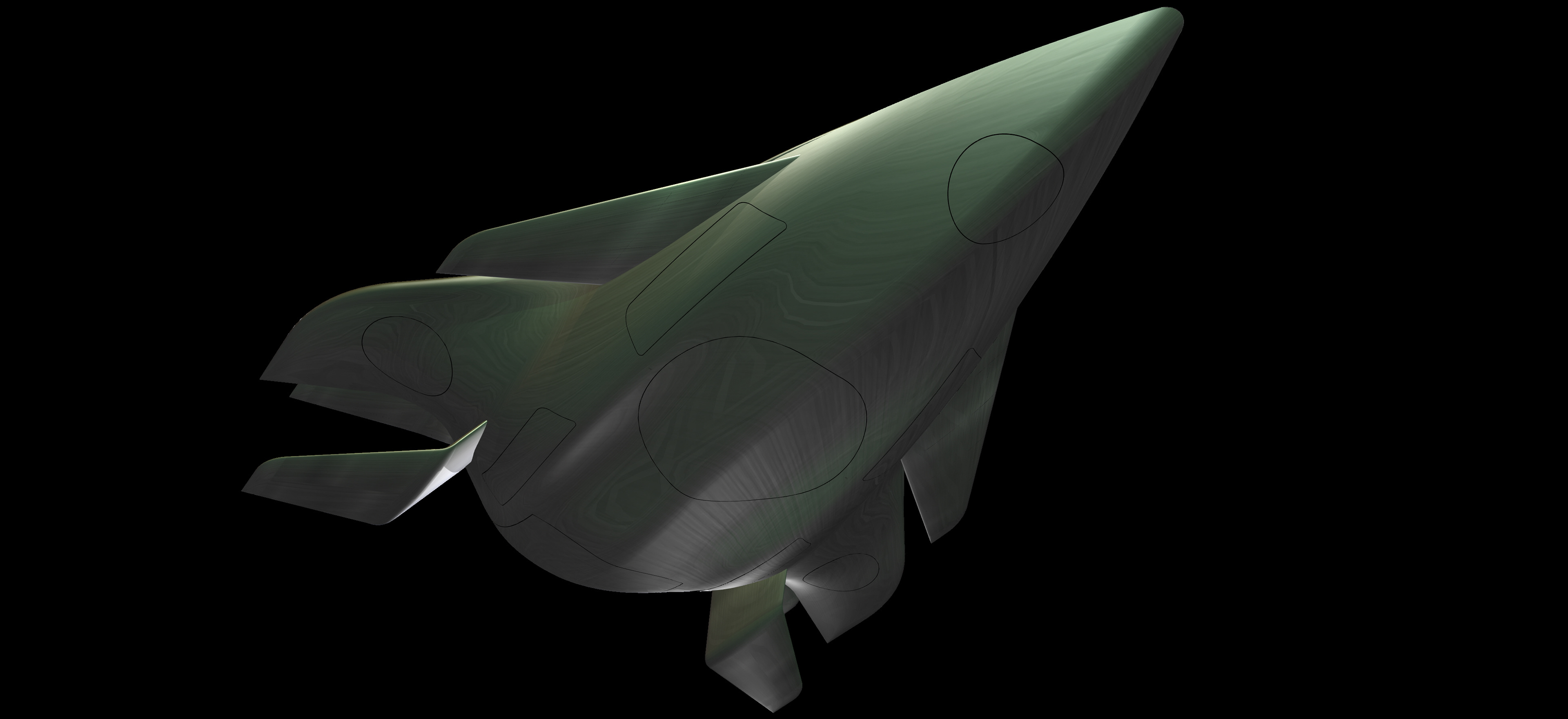
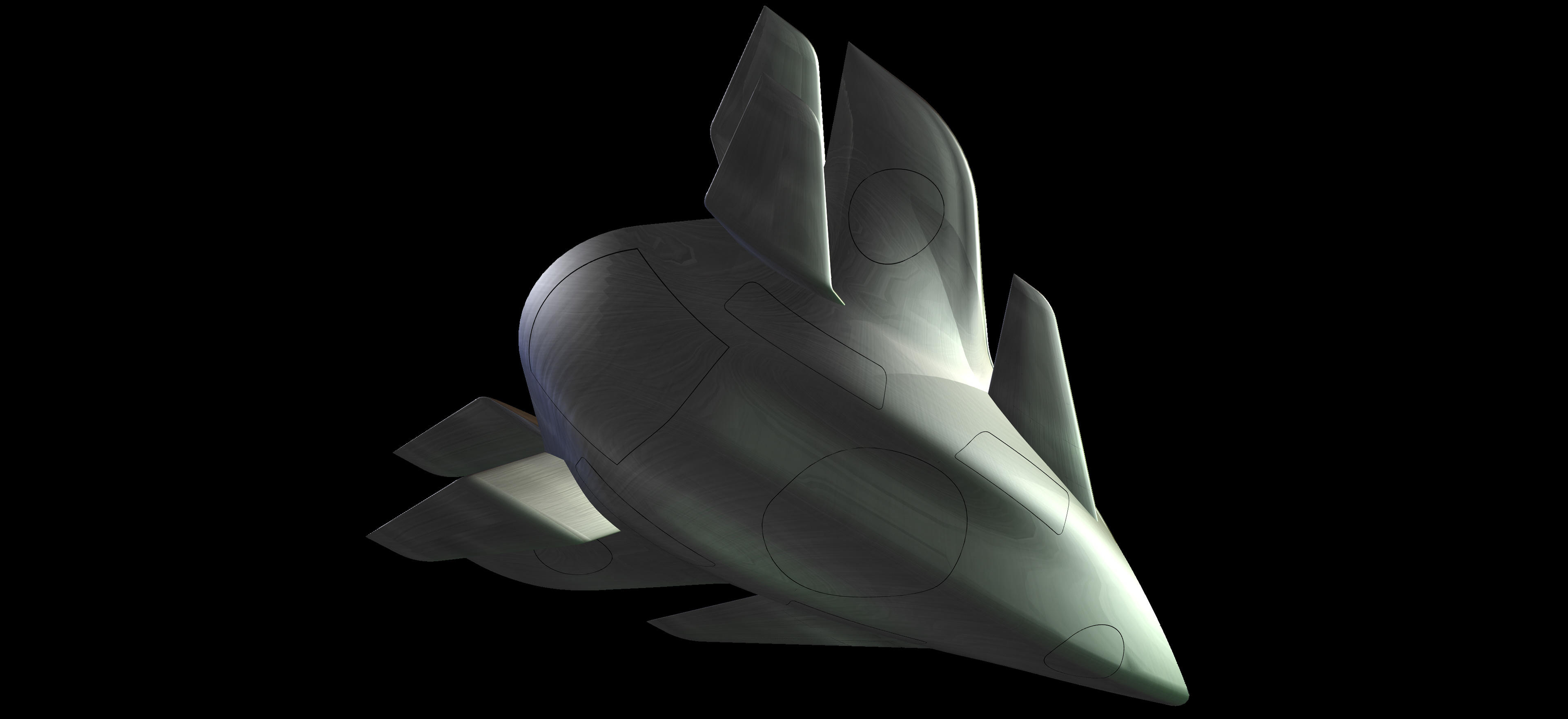
The creative process behind these spacecraft began with an intense brainstorming session, where we imagined a design somewhere between a conventional car and an egg-shaped UFO. Our goal was to develop electromagnetic or anti-gravity propulsion vehicles—silent and capable of hovering without touching the ground. With an unlimited energy source, they will be high-performance ships. These concepts draw on actual research in advanced propulsion for aerospace applications, where physics and engineering converge to make what once seemed like science fiction a reality.
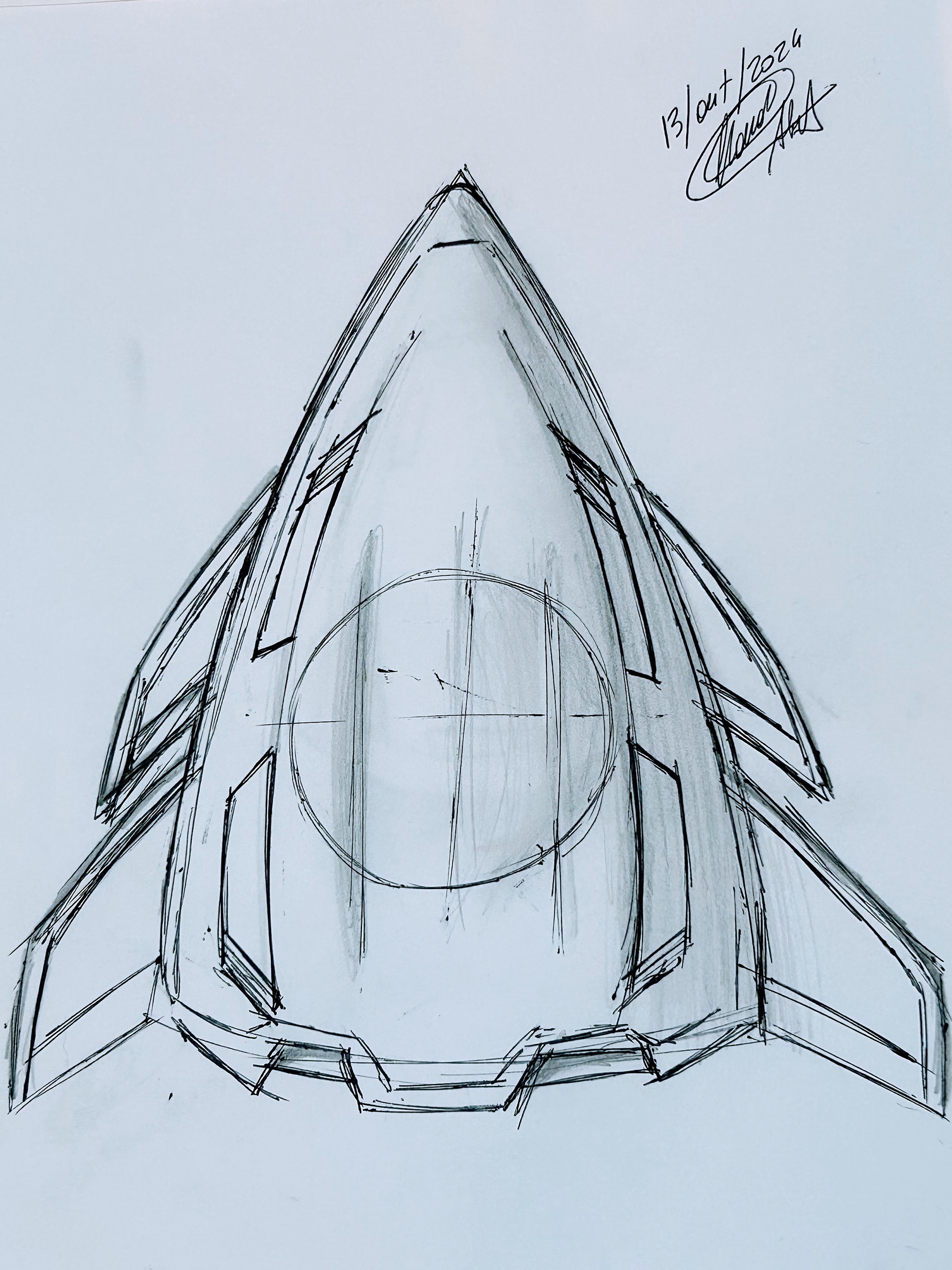
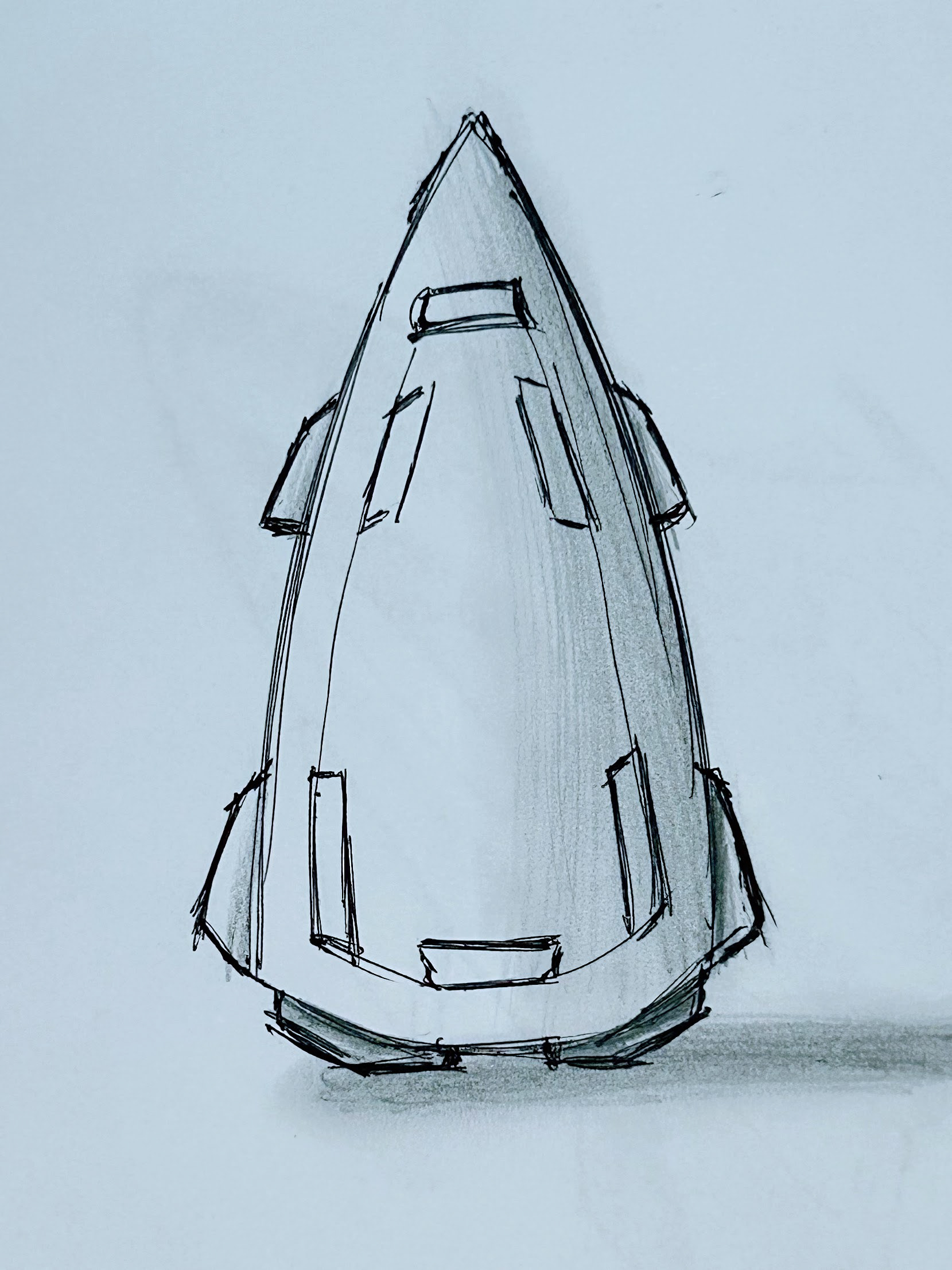
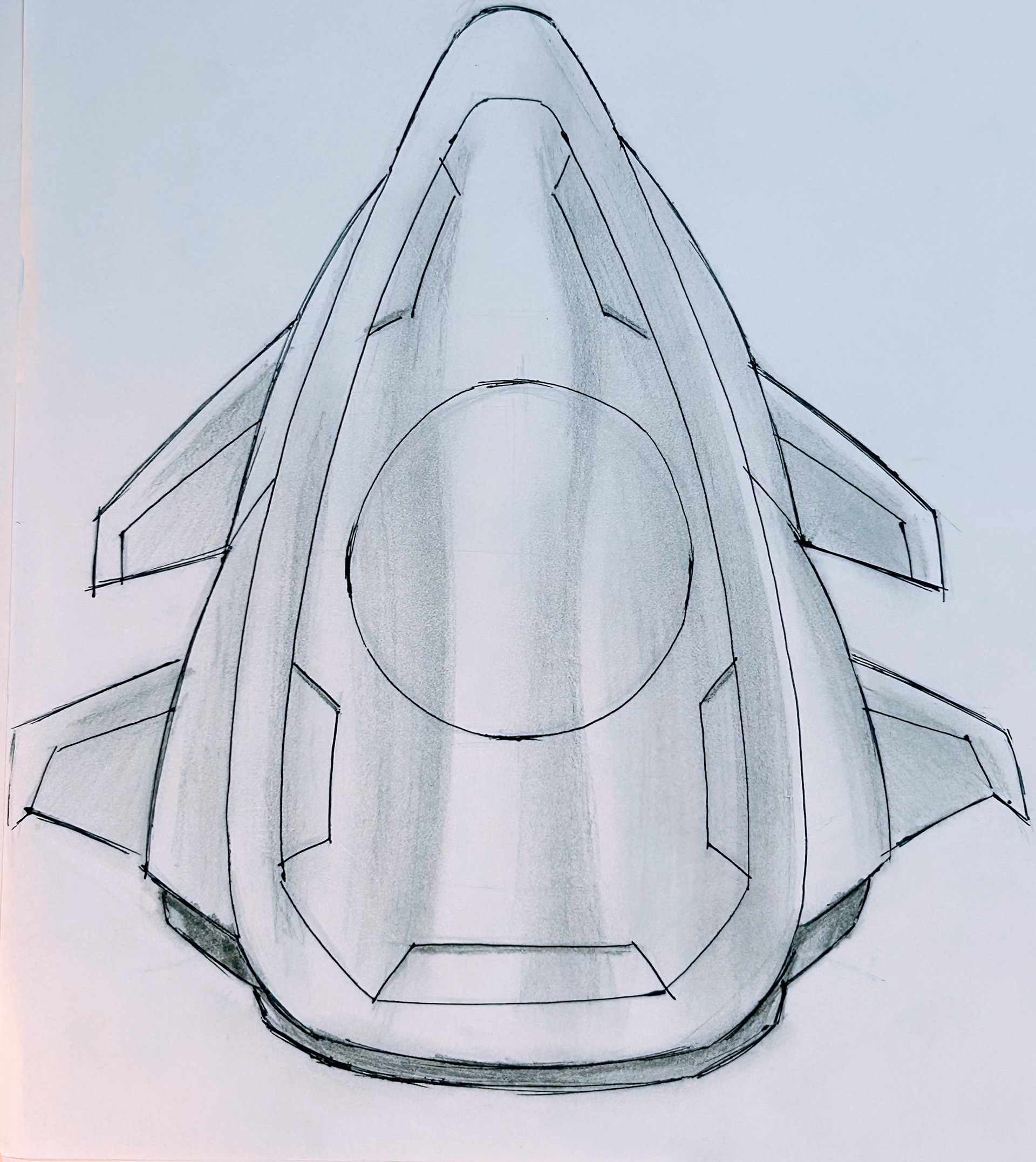
Creative Process and Development
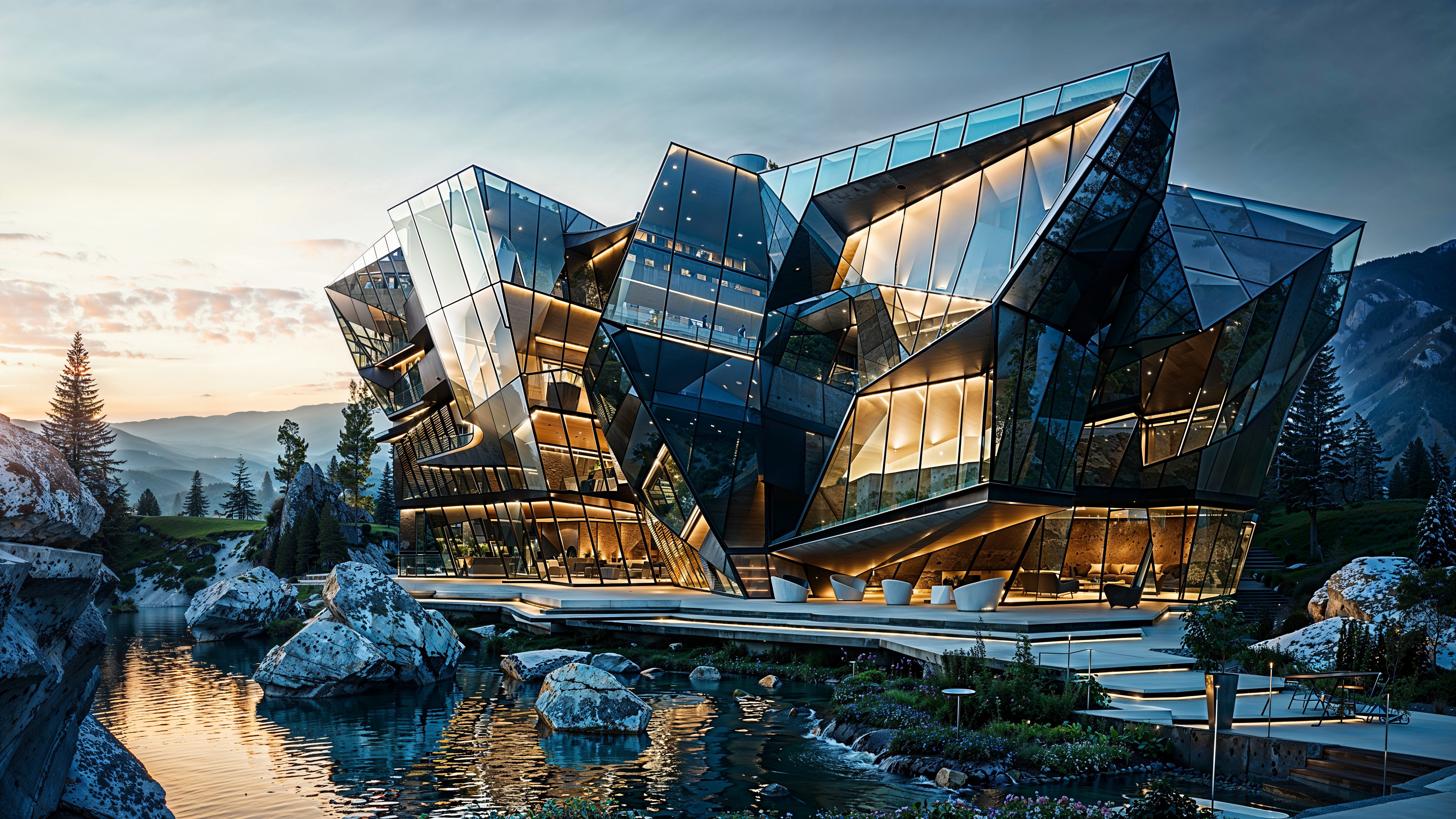
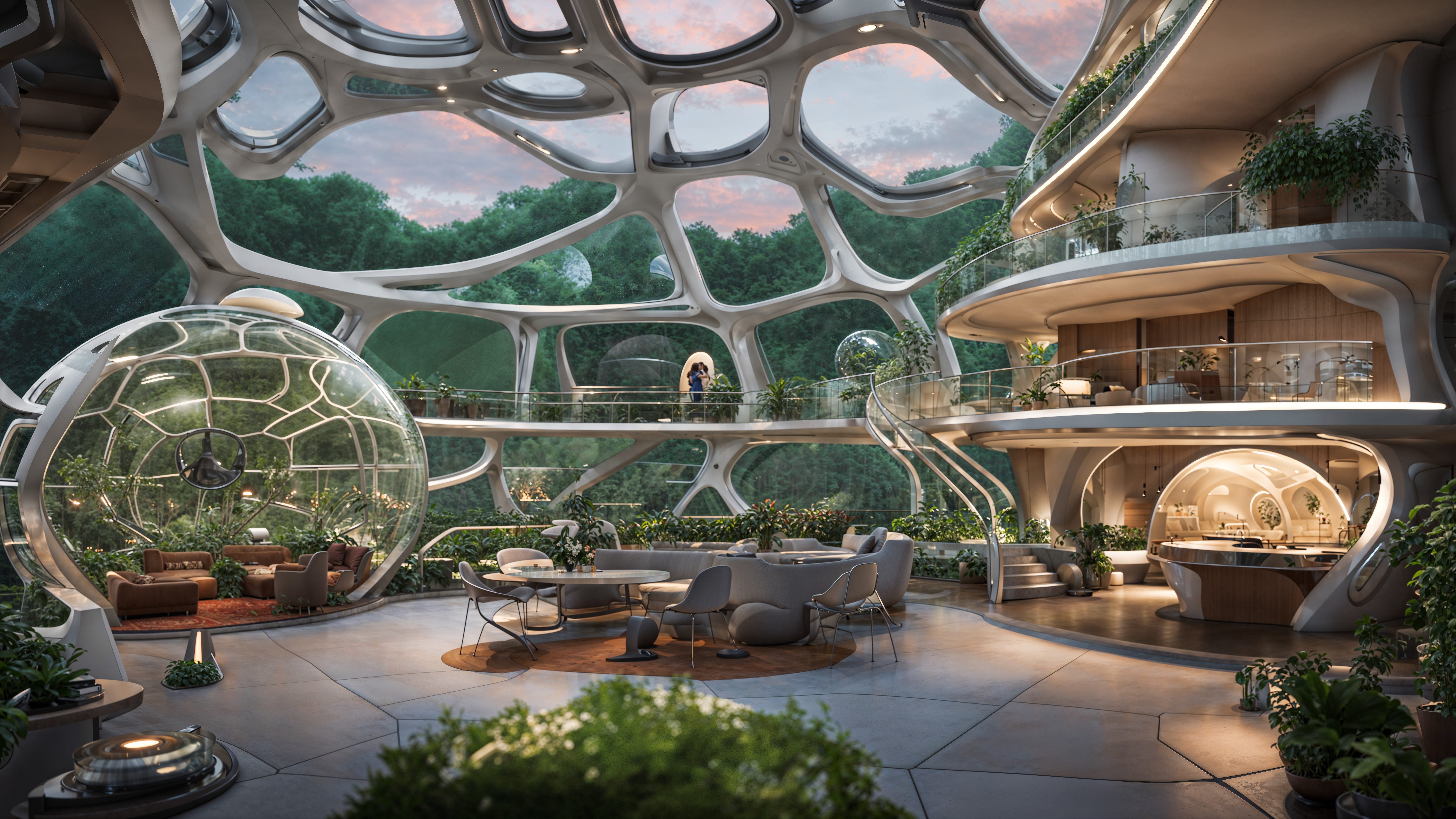
Everything starts with conceptual sketches, defining each project’s needs and outlining spaces logically and coherently. Next, we use AI to quickly render various materials, lighting scenarios, and color palettes. If the concept is approved, we move on to detailed development—defining each area, such as luxury apartments, offices, or laboratories—always focusing on both gameplay and user immersion.
Everything starts with conceptual sketches, defining each project’s needs and outlining spaces logically and coherently. Next, we use AI to quickly render various materials, lighting scenarios, and color palettes. If the concept is approved, we move on to detailed development—defining each area, such as luxury apartments, offices, or laboratories—always focusing on both gameplay and user immersion.
Real-World Applications
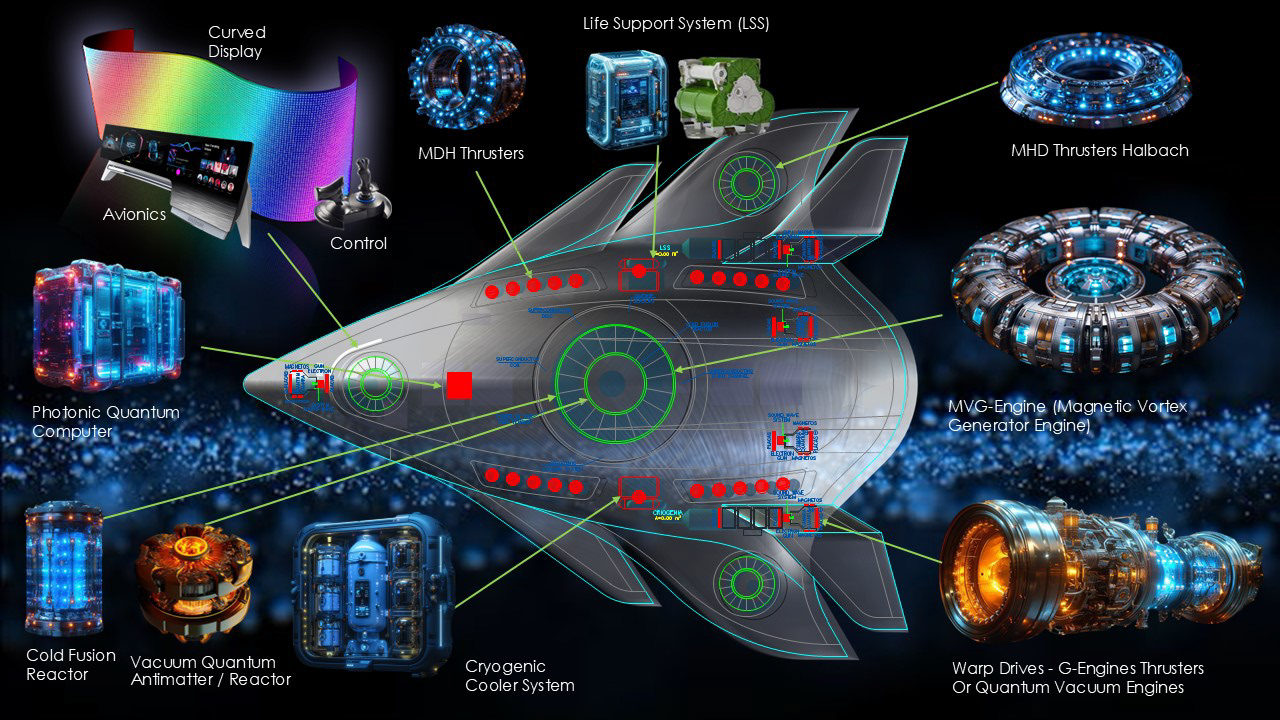
This work isn’t limited to theory or artistic concepts. I’ve considered physics, engineering, aerodynamics, materials, and performance in real-world passenger aircraft projects. My experience as a Concept Designer at an aerospace engineering firm has given me deep insight into how aesthetic choices align with engineering principles, adding realism to designs used in games and other media.
This work isn’t limited to theory or artistic concepts. I’ve considered physics, engineering, aerodynamics, materials, and performance in real-world passenger aircraft projects. My experience as a Concept Designer at an aerospace engineering firm has given me deep insight into how aesthetic choices align with engineering principles, adding realism to designs used in games and other media.
Real-World Applications
This work isn’t limited to theory or artistic concepts. I’ve considered physics, engineering, aerodynamics, materials, and performance in real-world passenger aircraft projects. My experience as a Concept Designer at an aerospace engineering firm has given me deep insight into how aesthetic choices align with engineering principles, adding realism to designs used in games and other media.
This work isn’t limited to theory or artistic concepts. I’ve considered physics, engineering, aerodynamics, materials, and performance in real-world passenger aircraft projects. My experience as a Concept Designer at an aerospace engineering firm has given me deep insight into how aesthetic choices align with engineering principles, adding realism to designs used in games and other media.
Luxury and Functionality in Space
Looking ahead to a future where space travel becomes accessible, we foresee various types of spacecraft—just as luxury yachts exist today, tomorrow we may see “luxury space yachts” for leisure, exploration, military operations, cargo transport, or even space combat. Our focus is on delivering an immersive experience: whether someone wants to feel like a mighty warrior or revel in ultimate luxury and power. Hence, each vehicle’s design adapts to functional requirements, crew size, and mission needs.
Looking ahead to a future where space travel becomes accessible, we foresee various types of spacecraft—just as luxury yachts exist today, tomorrow we may see “luxury space yachts” for leisure, exploration, military operations, cargo transport, or even space combat. Our focus is on delivering an immersive experience: whether someone wants to feel like a mighty warrior or revel in ultimate luxury and power. Hence, each vehicle’s design adapts to functional requirements, crew size, and mission needs.
Pilot or Autonomous?
A key decision was whether these vehicles should be fully autonomous or pilotable. We chose a hybrid model: in routine situations, the autonomous mode would offer comfort and safety; however, for those seeking the thrill of manual control, there would be an option to switch from automatic to direct piloting mode.
Advanced Technologies and “Black Projects”
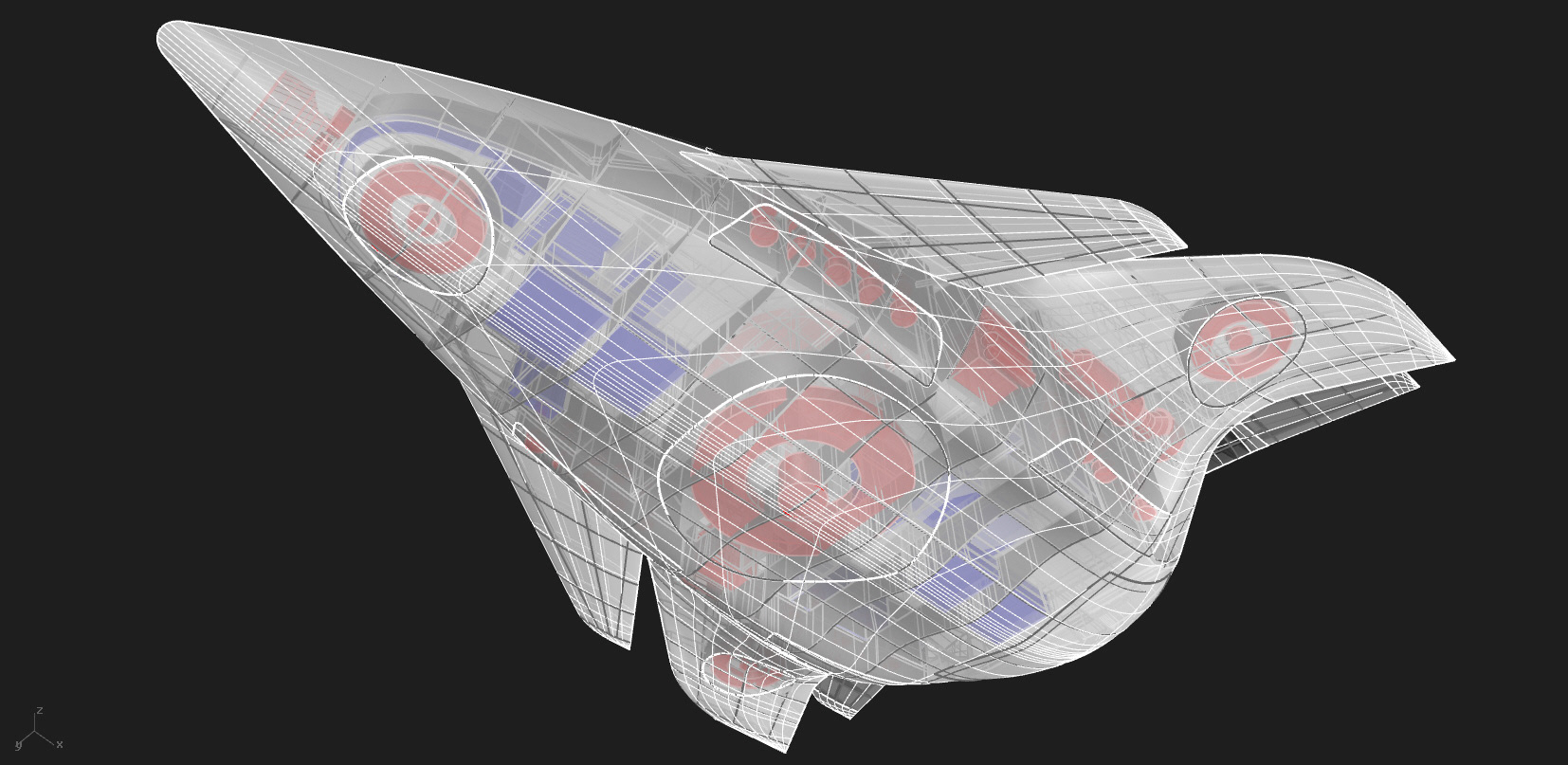
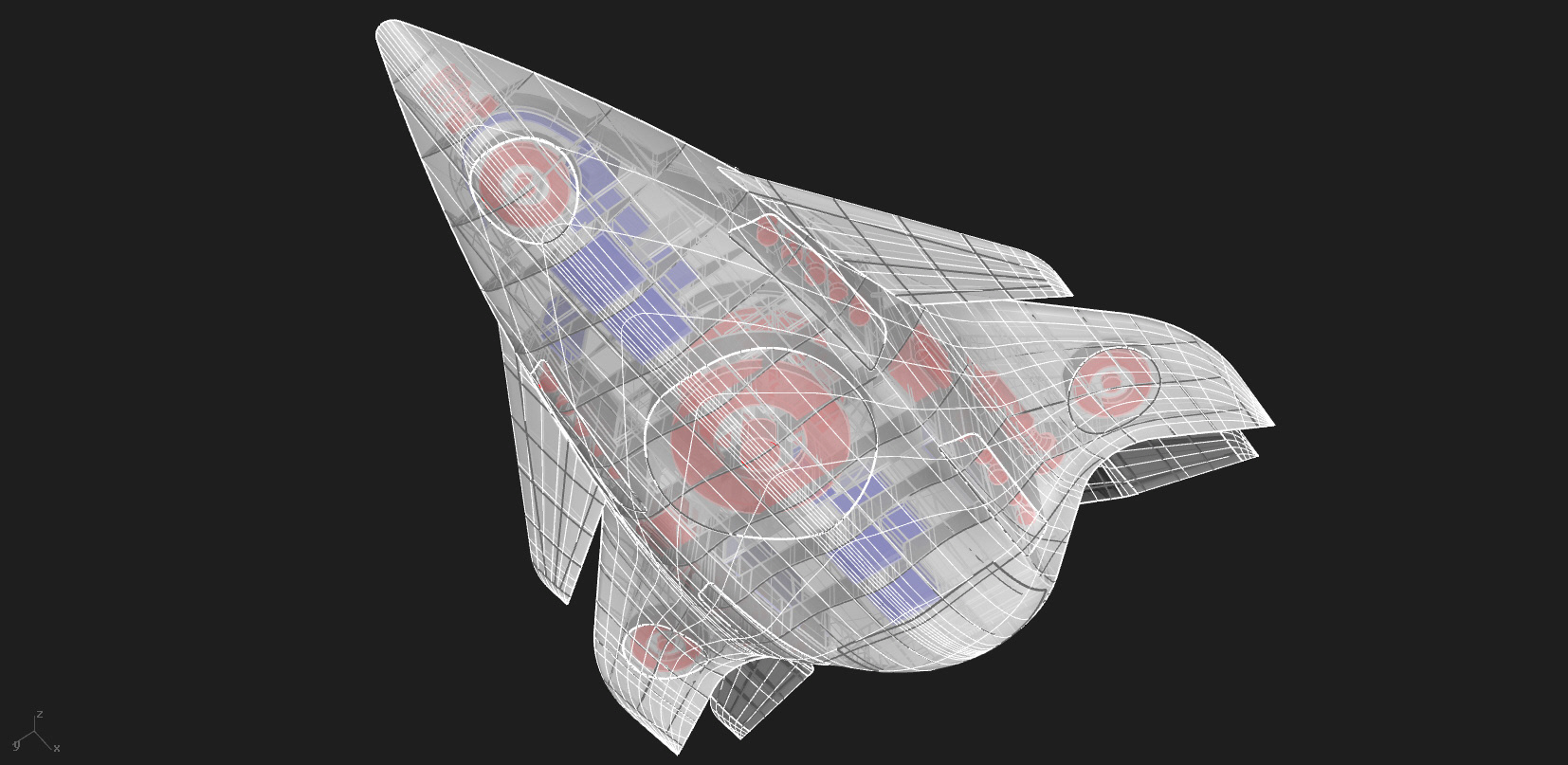
Applying maglev or electromagnetic propulsion systems is not as far-fetched as it seems. Many military research initiatives already have these technologies in development or use. So, why not bring them into everyday life? By studying the physics behind these spacecraft, I’ve observed that the vehicle’s final shape directly reflects the propulsion type—no wings, exhaust nozzles, or propellers. If the energy comes from an infinite quantum source, there’s no need for fossil fuels or combustion engines. And if we master antigravity, any shape, however “non-aerodynamic” it might appear, could be lifted off the ground.
Design Inspired by Real Manufacturers
We took inspiration from well-known automotive brands, adapting their lines to advanced designs that don’t rely on wings or turbines. Here, propulsion and levitation become possible without conventional fuels, radically redefining both aesthetics and functionality.
Conclusion
What I present in this portfolio isn’t mere fanciful concept art, but rather creations grounded in scientific principles and feasible technological possibilities. Every aspect of applied physics, materials science, and quantum potential is considered. Engineering is reflected in the design, and that design in turn creates immersive experiences—capable of inspiring both our imaginations and the future path of innovation in the real world.
Applying maglev or electromagnetic propulsion systems is not as far-fetched as it seems. Many military research initiatives already have these technologies in development or use. So, why not bring them into everyday life? By studying the physics behind these spacecraft, I’ve observed that the vehicle’s final shape directly reflects the propulsion type—no wings, exhaust nozzles, or propellers. If the energy comes from an infinite quantum source, there’s no need for fossil fuels or combustion engines. And if we master antigravity, any shape, however “non-aerodynamic” it might appear, could be lifted off the ground.
Design Inspired by Real Manufacturers
We took inspiration from well-known automotive brands, adapting their lines to advanced designs that don’t rely on wings or turbines. Here, propulsion and levitation become possible without conventional fuels, radically redefining both aesthetics and functionality.
Conclusion
What I present in this portfolio isn’t mere fanciful concept art, but rather creations grounded in scientific principles and feasible technological possibilities. Every aspect of applied physics, materials science, and quantum potential is considered. Engineering is reflected in the design, and that design in turn creates immersive experiences—capable of inspiring both our imaginations and the future path of innovation in the real world.